
Maker · Versilia
Meet Levigliani
The Village That Owns Its Mountain
Last updated:
- What they make
- guided visits to the Antro del Corchia cave, the mercury mines, and marble quarries (Corchia Park); arabescato marble; cave-aged "Ipogeo" wine from small Apuan producers
- Region
- Versilia
- Location
- Levigliani, comune of Stazzema, Province of Lucca; about 580 m
- Generation
- the heirs of 67 households who chose common ownership in 1794
- Visit possible
- Yes, booked through Corchia Park; cave, mine, and quarry visits are guided
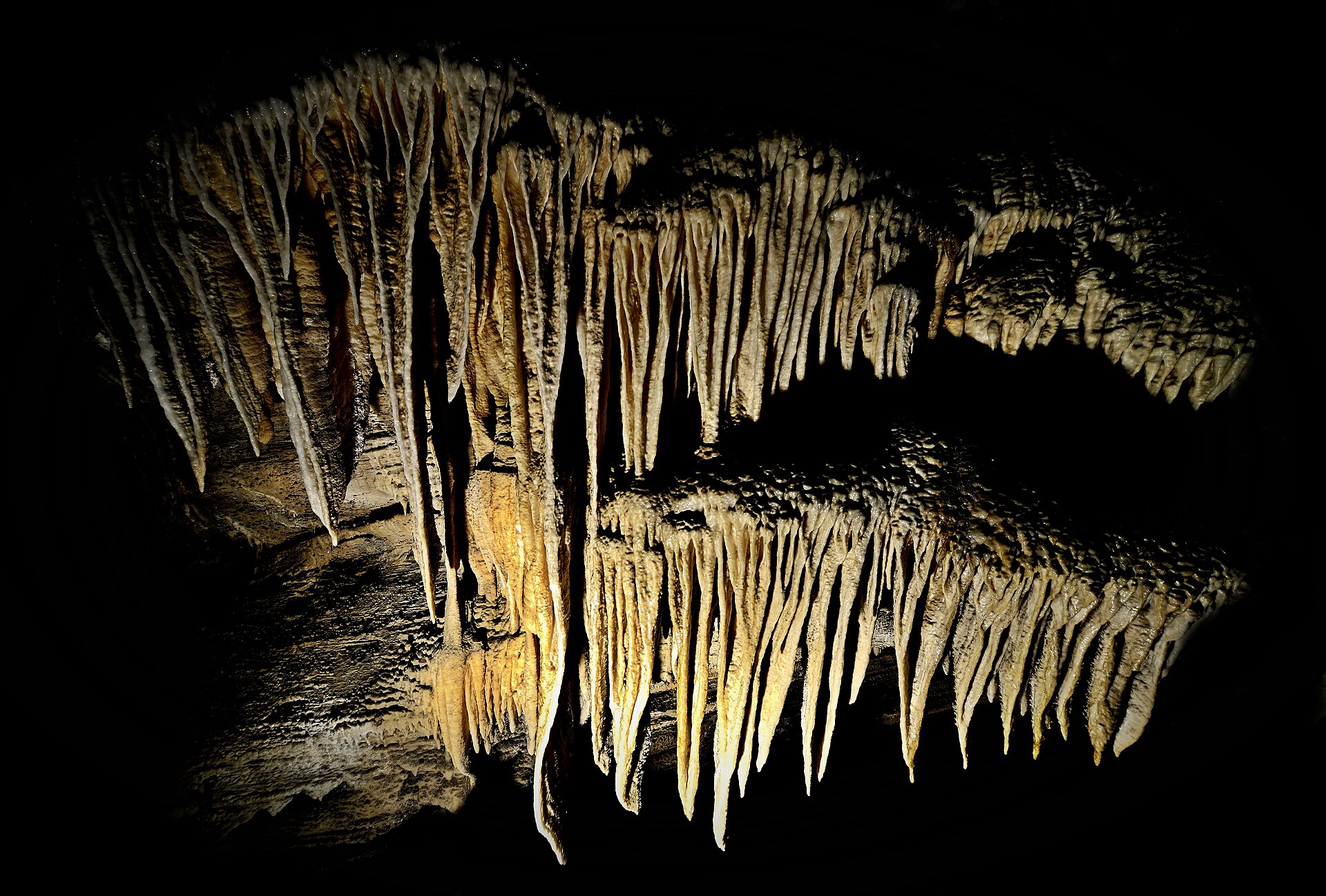
Monte Corchia rises above Levigliani to 1,678 m. Inside it runs the Antro del Corchia, Italy’s longest known karst system, with more than 50 km of explored passages. Around the village are marble quarries and old mercury mines. And the mountain belongs to the village.
In 1794, 67 heads of household kept Monte Corchia as shared property. They chose to hold the mountain and the woods bought from the Grand Duke of Tuscany in perpetual common ownership. Their heirs still manage the land collectively. Corchia Park describes it as “collective, common, and undivided ownership,” run by a commission of residents.
The body is called the Comunione dei Beni Comuni di Levigliani (the Levigliani Commons). In February 2026, Avvenire recalled a well-known lawyer in Levigliani, an old-school liberal, who liked to call the villagers “i veri comunisti” (the real communists).
Two cooperatives, one mountain
The Comunione works through two cooperatives. The Cooperativa Sviluppo e Futuro Levigliani was founded in 2001. Its job is the “valorizzazione turistico-culturale e ambientale della proprietà comune” (making the most of the common property for tourism, culture, and the environment). In practice it runs Corchia Park: caves, mines, quarries, museums, and excursions. It also runs the community shop, passenger transport, and green maintenance. Since 2025 it has hauled marble blocks from the community quarries too. La Nazione reported 11 members and about €1 million in annual turnover.
The Cooperativa Condomini runs the quarries themselves. According to Avvenire, they produce arabescato marble.
In 2026 Florens Babboni presided over the Beni Comuni, and Emiliano Babboni over Sviluppo e Futuro. Both explained to Avvenire how the system works, and Emiliano Babboni also spoke to La Nazione.
Taking less from the mountain
Here is the part that surprises people. According to Avvenire, the community chose to halve the tonnage of marble it extracts. A village that owns its quarries decided to cut fewer blocks.
The village still lives off its mountain. In La Nazione, the cooperative’s president counted “quasi 100 posti di lavoro” (almost 100 jobs) across the village’s activities. Avvenire reported about 350 residents, and the community told the paper it had not lost a single resident in ten years.
The Products
What Levigliani offers is its mountain, inside and out. Corchia Park runs the visits, and the cave, mine, and quarry visits come with a guide.
The Antro del Corchia
The local naturalist Emilio Simi discovered the cave on 11 October 1840. The Apuan Alps Park built the show-cave route between 1999 and 2001, and it opened to visitors in August 2001. A shuttle bus takes you from Levigliani up to the entrance at about 850 m. You walk in through a 170 m artificial tunnel.
The tourist route covers about 2 km on steel walkways and takes about two hours. Expect it to be cold inside all year. The route shows a small part of a system with more than 50 km of explored passages.
The quicksilver mines
The Miniere dell’Argento Vivo (quicksilver mines) are, in Corchia Park’s words, “the oldest mining site in Upper Tuscany.” A Pisan record first mentions them in 1153. Miners took cinnabar here, then mercury. The mines were abandoned in the 1970s. A local community and private local parties built the two visitor routes in 2008–2009; the park suggested and supported the project and contributed a small share of the resources. The ticket includes a guide.
The marble quarries
Corchia Park also takes visitors up into the marble quarries in former Italian Army 4×4s. Visits start and end in Levigliani, and booking is compulsory. Helmets are handed out at the quarry, and rubber-soled shoes are required.
Two museums
The Museo della Pietra Piegata (Museum of Bent Stone) opened in 2008 as a park institution. It traces marble craft through the centuries. Its key pieces are Ligurian Apuan funerary stones from the 3rd century BC, found in a nearby necropolis.
The Museo di Comunità e Impresa “Lavorare Liberi” (Working Free) tells the story behind this profile. It covers the village’s collectively run marble quarrying, and it is the best place to understand the Comunione.
Ipogeo wine
There is one more product. Wines from small artisan producers, made from grapes grown on the seaward slopes of the Apuan Alps, are aged in a small cellar set into the rock inside the Antro del Corchia, more than 100 m into the mountain. Only after that do they earn the name “Ipogeo.” Details are on the Corchia Park Ipogeo page.
Visiting Levigliani and Corchia Park
Levigliani sits at about 580 m in the comune of Stazzema, in Alta Versilia (upper Versilia). Visits here are booked through Corchia Park. Times, prices, and booking rules change, so check the online tickets page before you go.
For the cave, bring a warm layer; Corchia Park requires rubber-soled shoes. Rubber soles are compulsory for the quarry visit too. The cave visit alone takes about two hours, so allow more time if you add a mine, quarry, or museum.
Remember who you are visiting. Your ticket goes to the village cooperative that runs Corchia Park, on land the village still owns.
Levigliani works well with the rest of the upper valley. Our Alta Versilia profile covers Cardoso, Pruno, Volegno, and Stazzema village. Sant’Anna di Stazzema, the memorial site of 12 August 1944, is in the same comune. For the bigger picture, start with Versilia and the Apuan Alps.
Information is provided in good faith and may change. Always confirm opening hours, prices, and event dates with the official source before you travel.