
Garfagnana: Tuscany’s Mountain Valley That Looked North
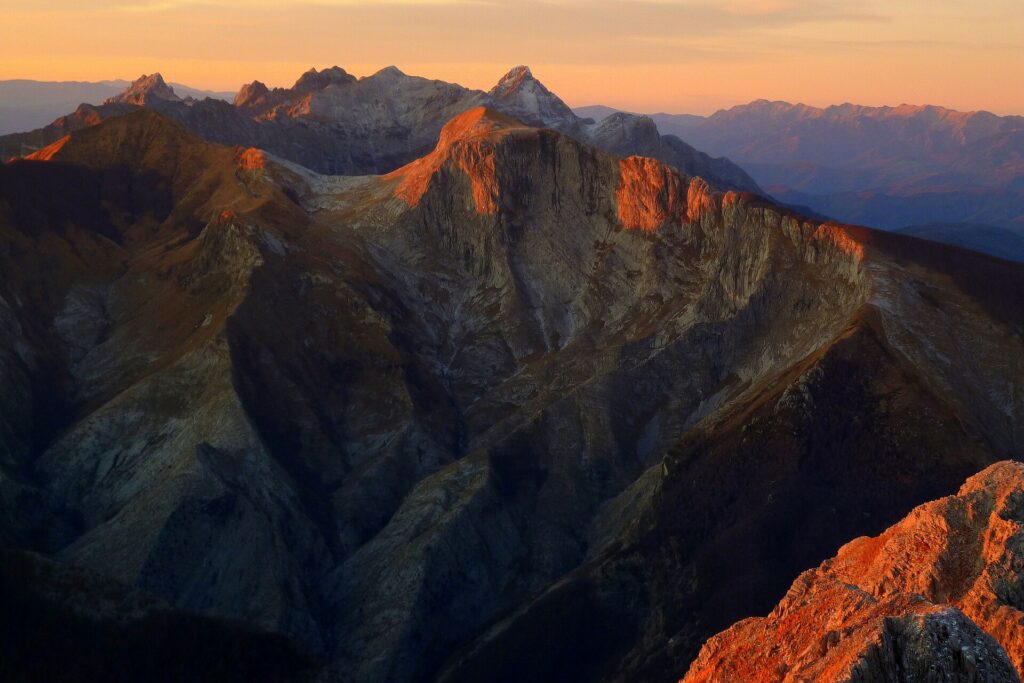
Garfagnana Tuscany: four centuries under Ferrara’s dukes, a village under a lake, farro, chestnuts, and two mountain parks. Plan your visit.
Lucignano: Four Rings, One Golden Tree
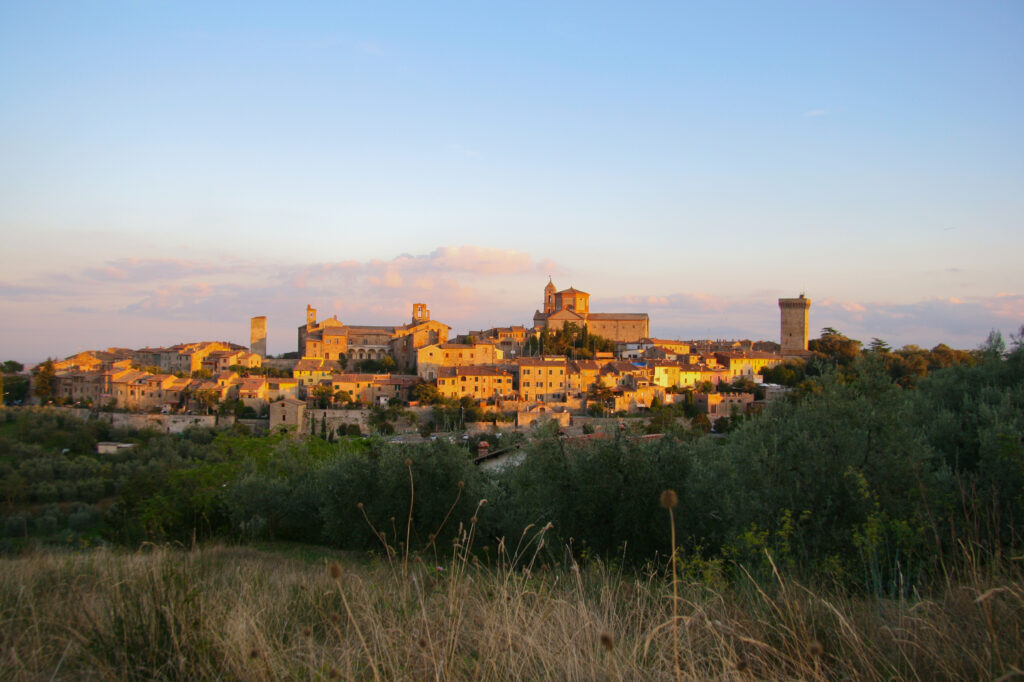
Lucignano’s four concentric ring streets spiral to a piazza hiding the world’s only tree-shaped reliquary. A Valdichiana village unlike any other.
Monte San Savino: The Sculptor’s Town That Lost Its Synagogue
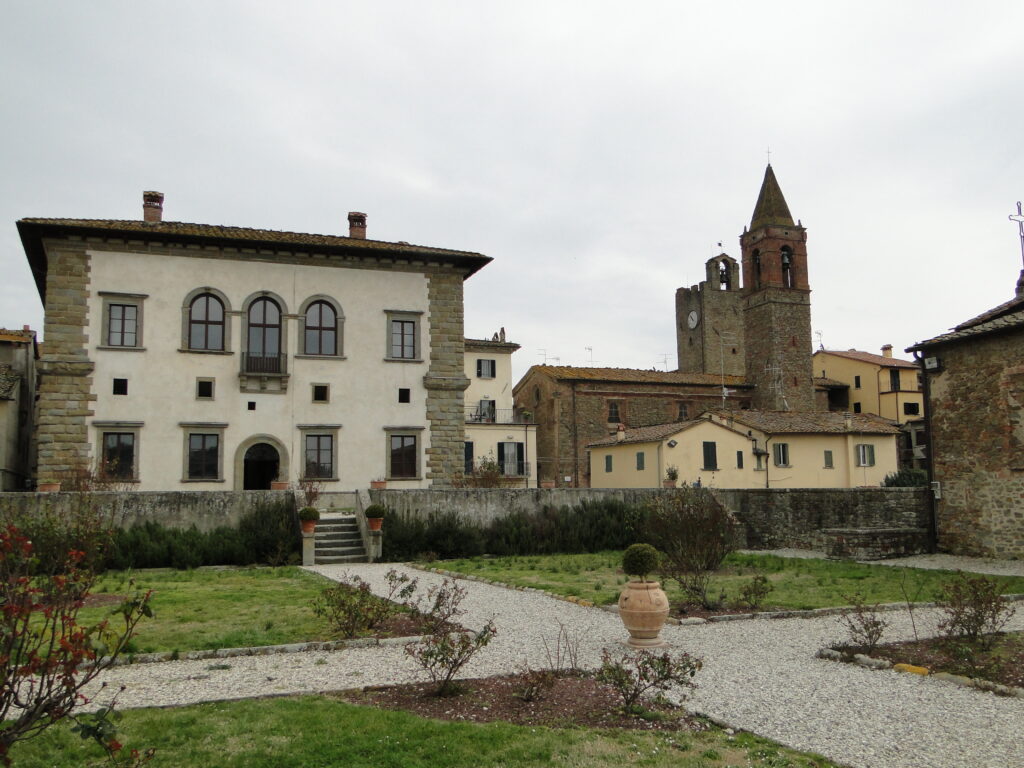
Monte San Savino gave Italy the sculptor Sansovino, Pope Julius III, and the Arezzo region’s most important Jewish quarter — destroyed in a 1799 pogrom.
Scarperia: The Town that Florence Built to Break a Dynasty
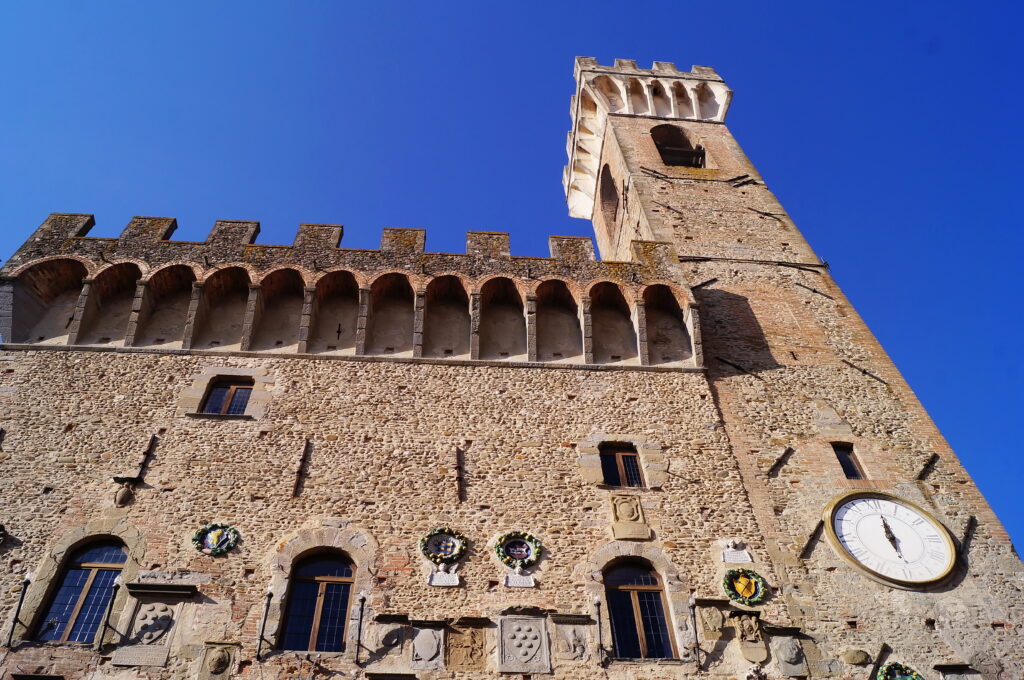
Scarperia is where Florence built a fortress, knife-makers perfected their craft for 500 years, and Brunelleschi’s only surviving clock still ticks. A complete visitor’s guide.
Vicchio: The Small Town That Made Two of the Greatest Painters in History
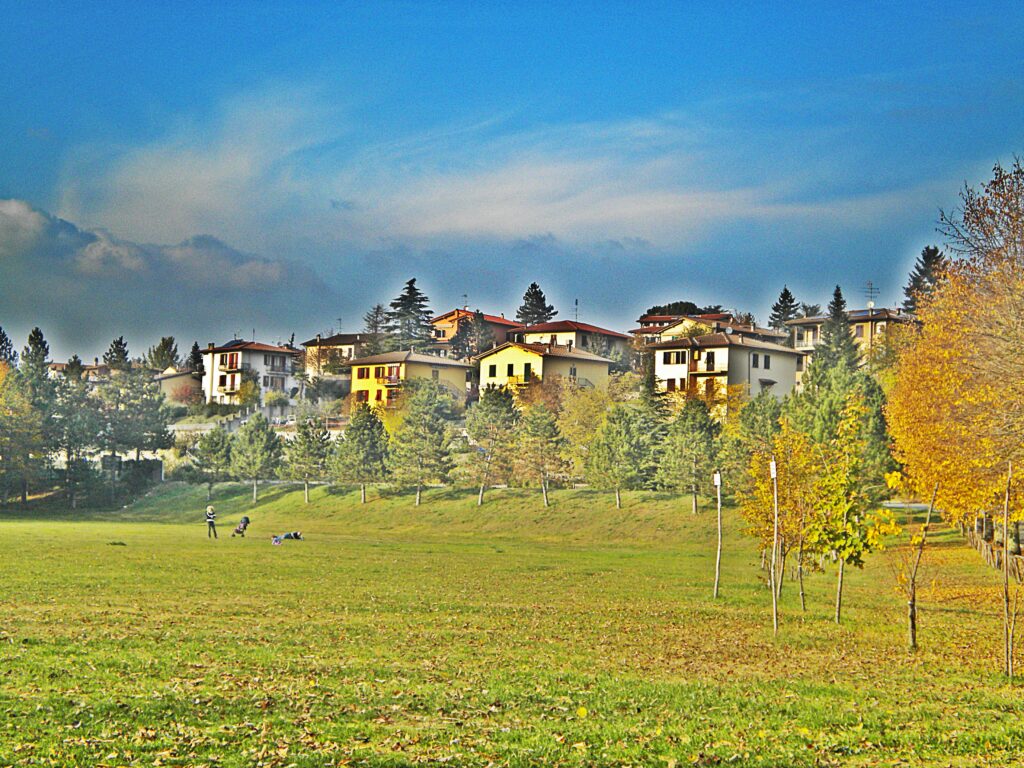
Vicchio gave the world Giotto and Fra Angelico — two painters who changed Western art. It also hid a radical priest, a rebel school, and Tuscany’s newest wine region.
La Verna: The Mountain Where Francis Received the Stigmata
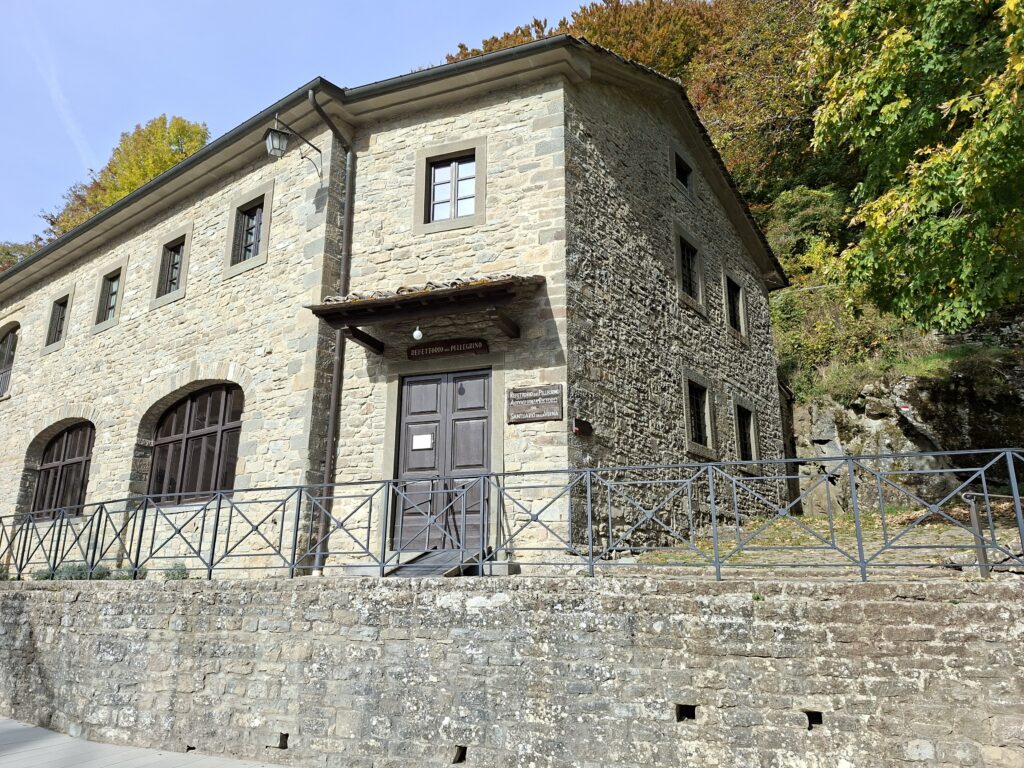
The Franciscan Sanctuary of La Verna sits on a rocky mountain in the Casentino where Saint Francis received the stigmata in 1224. Della Robbia terracottas, sacred forest, and profound silence.
Castiglion Fiorentino: The Loggia That Isn’t Vasari’s
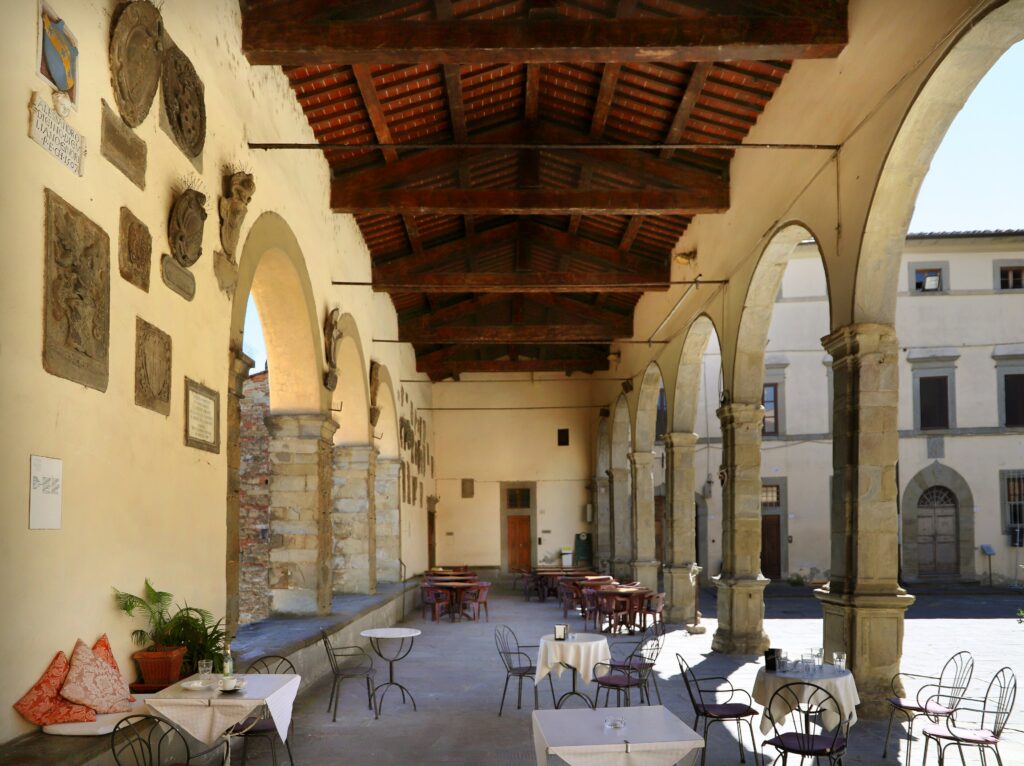
Castiglion Fiorentino has a valley-framing loggia, Etruscan ruins, Benigni’s birthplace, and a June horse palio — all without Cortona’s crowds.
Poppi: The Castle That Became Palazzo Vecchio’s Prototype
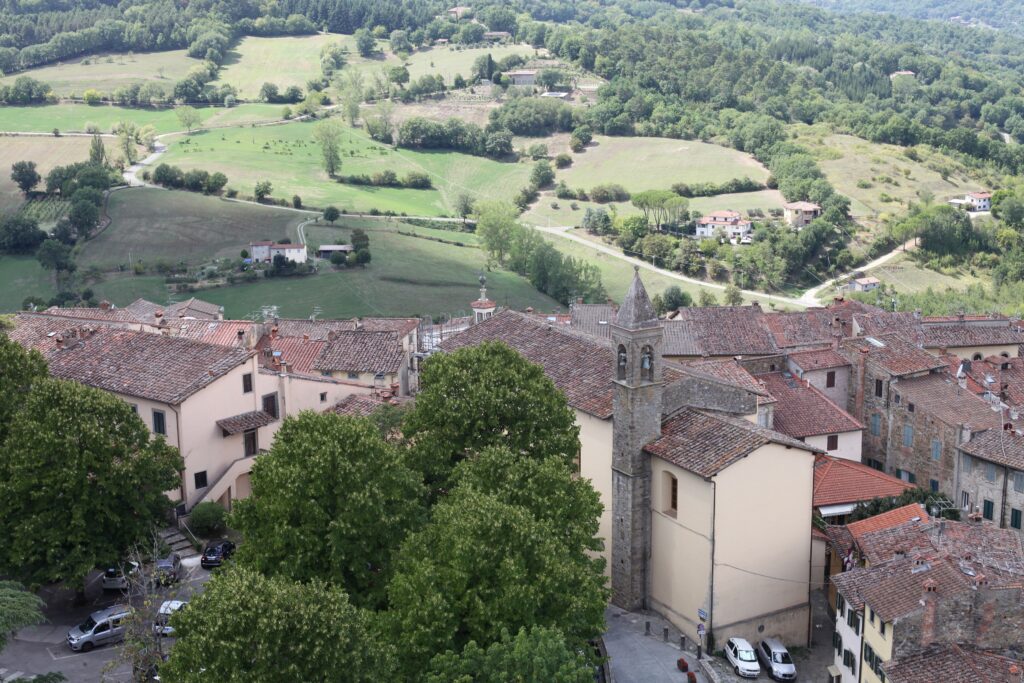
Poppi’s Guidi castle inspired Palazzo Vecchio, Dante fought at nearby Campaldino in 1289, and Taddeo Gaddi painted its chapel. One of Italy’s most beautiful villages — and one of its least visited.
Cortona: What “Under the Tuscan Sun” Didn’t Tell You
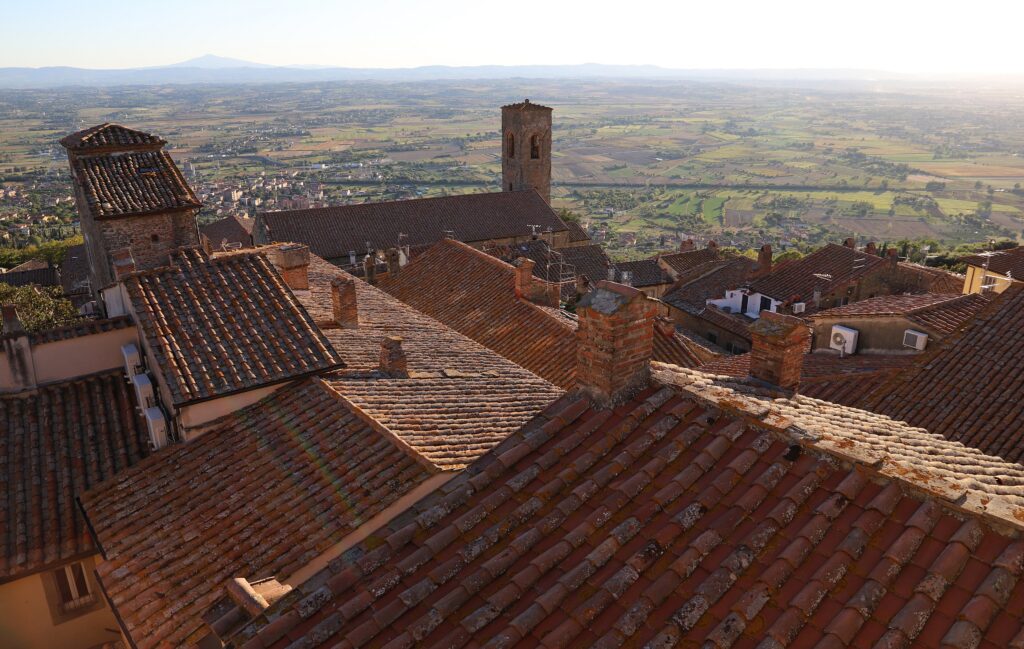
Beyond the bestseller, Cortona holds the third-longest Etruscan inscription, a Futurist mosaic pilgrimage, sphinx-guarded tombs, and Italy’s largest steak grill.
Pratovecchio Stia: Where Dante’s Exile Began and Tuscan Cloth Is Still Made
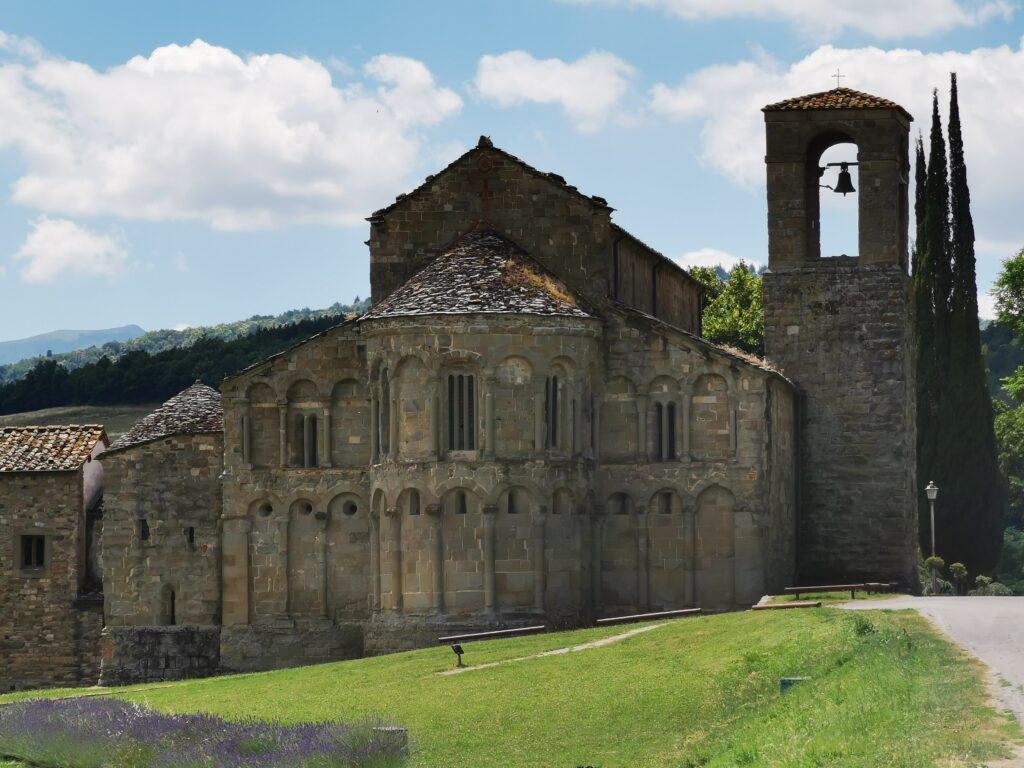
Pratovecchio Stia combines the castle Dante cursed in the Inferno, the Romanesque Pieve di Romena, the source of the Arno, and the workshop where Panno Casentino cloth is still made by hand.