
Pontremoli: The Northernmost Town in Tuscany and Its Five-Thousand-Year Secret
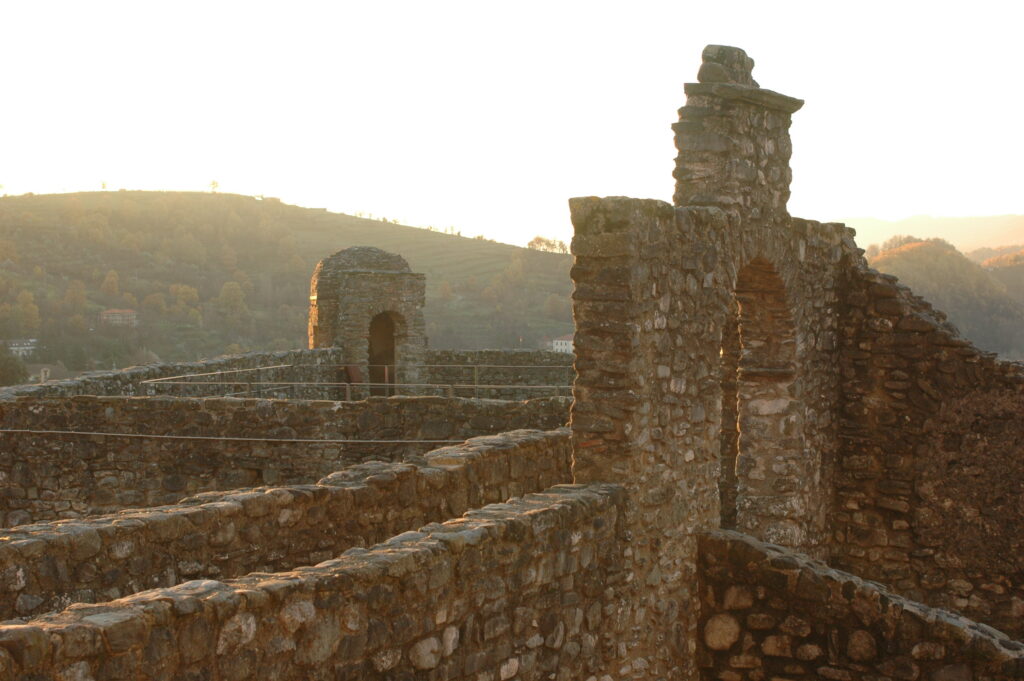
Pontremoli guards the gateway between Tuscany and Emilia-Romagna with a castle full of mysterious prehistoric statues, Baroque palaces, and Italy’s only literary prize awarded by booksellers.
Follonica: Cast Iron, Blue Flags, and the Gateway to the Mining Hills
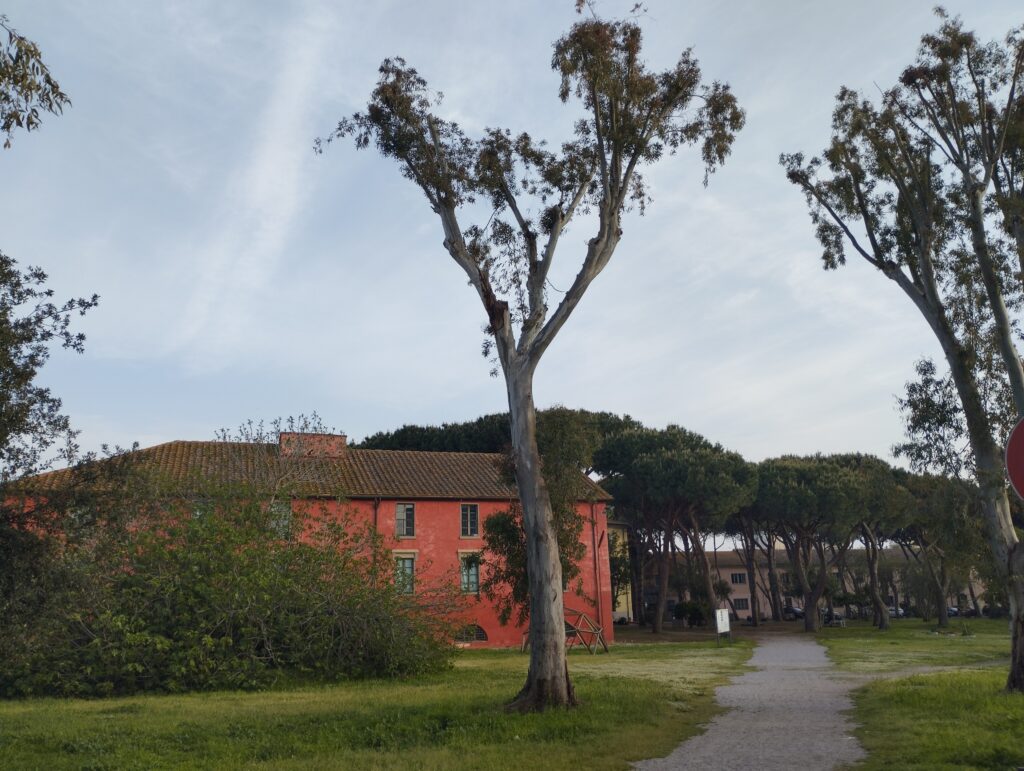
Follonica has a church built with cast-iron columns and rose window, Blue Flag family beaches, and the only train station serving the Colline Metallifere.
Villafranca in Lunigiana: Where the Watermills Remember and the Walls Still Close at Night
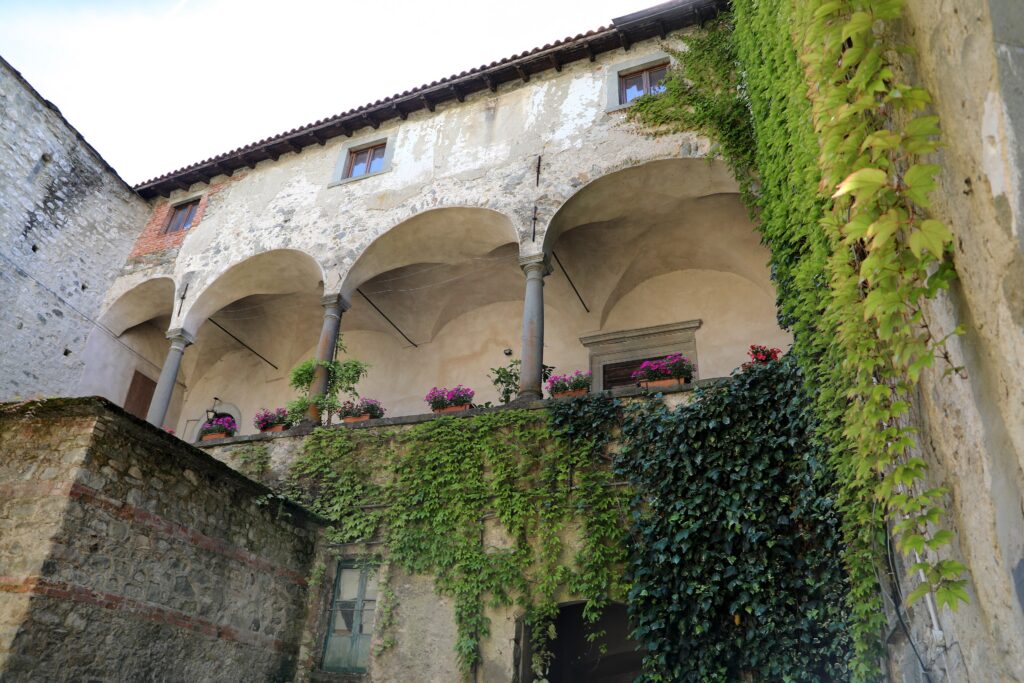
Villafranca’s watermills house Lunigiana’s story of peasant life. A short drive away, the walled village of Filetto hosts one of Tuscany’s finest medieval reenactments — and yielded Bronze Age stele statues from its chestnut grove.
Casentino: The Forest Valley Where the Arno Begins
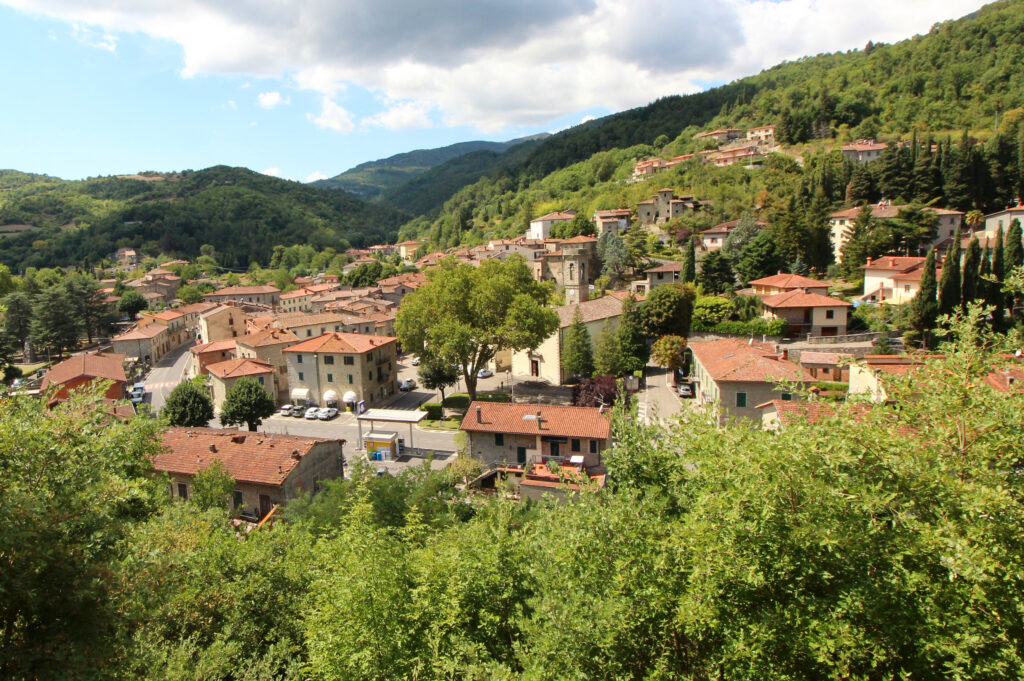
The Casentino is Tuscany’s deepest green valley — home to UNESCO ancient forests, Poppi’s castle prototype of Palazzo Vecchio, La Verna sanctuary, Camaldoli hermitage, and the source of the Arno.
Colline Metallifere: The Hills That Powered Five Thousand Years
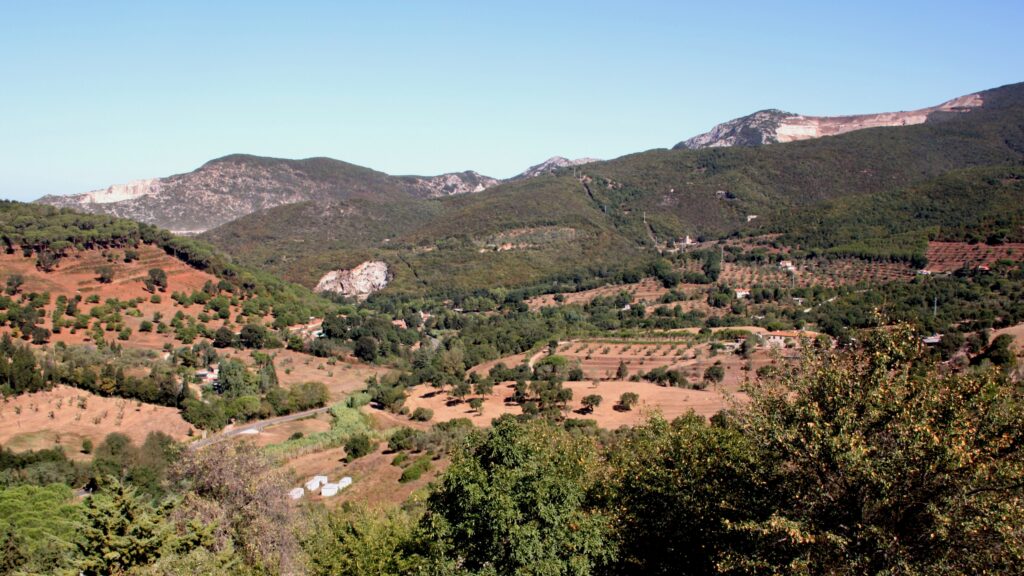
The Colline Metallifere hide 5,000 years of mining history, a UNESCO Geopark, geothermal moonscapes, a secret Siena, and Tuscany’s best free beach.
Lunigiana: The Land of a Hundred Castles at Tuscany’s Forgotten Edge
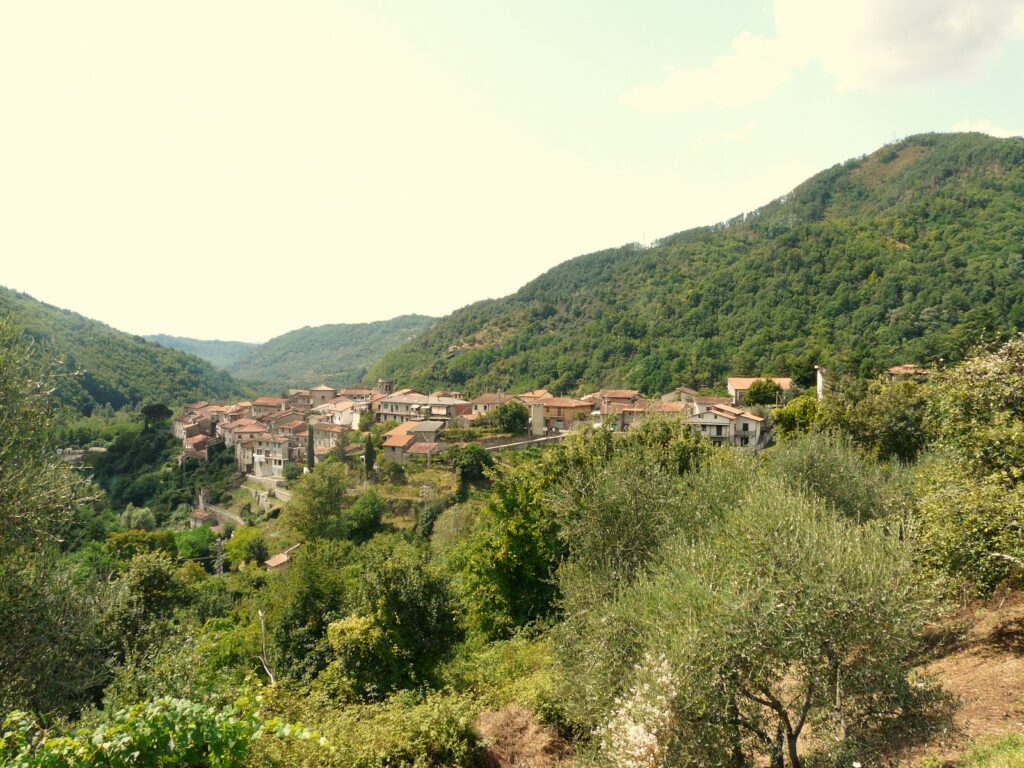
Lunigiana is where Tuscany meets Liguria and the Middle Ages never quite ended. Prehistoric stone warriors, Malaspina fortresses, and the oldest pasta in Italy — all in a valley most travelers drive through without stopping.
Mugello: Florence’s Green Backyard Nobody Told You About
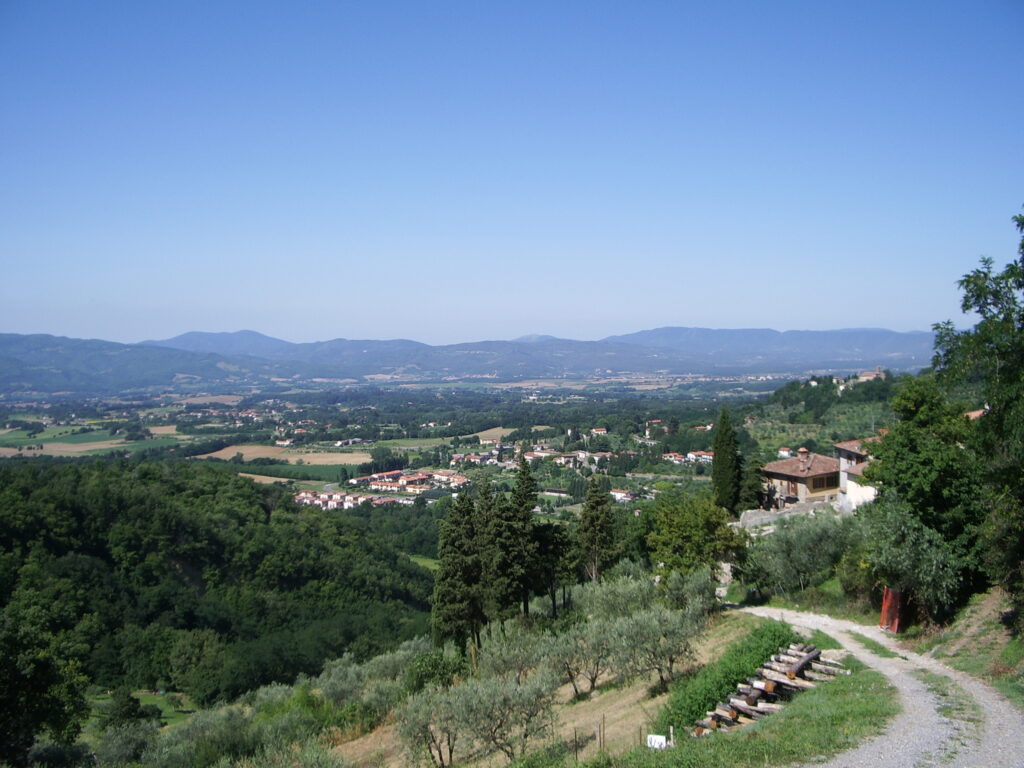
Mugello is the mountain-ringed valley 30 minutes north of Florence where the Medici originated, Giotto was born, and tortelli di patate are a way of life. Your complete guide.
Valdichiana: The Valley They Reversed a River to Save
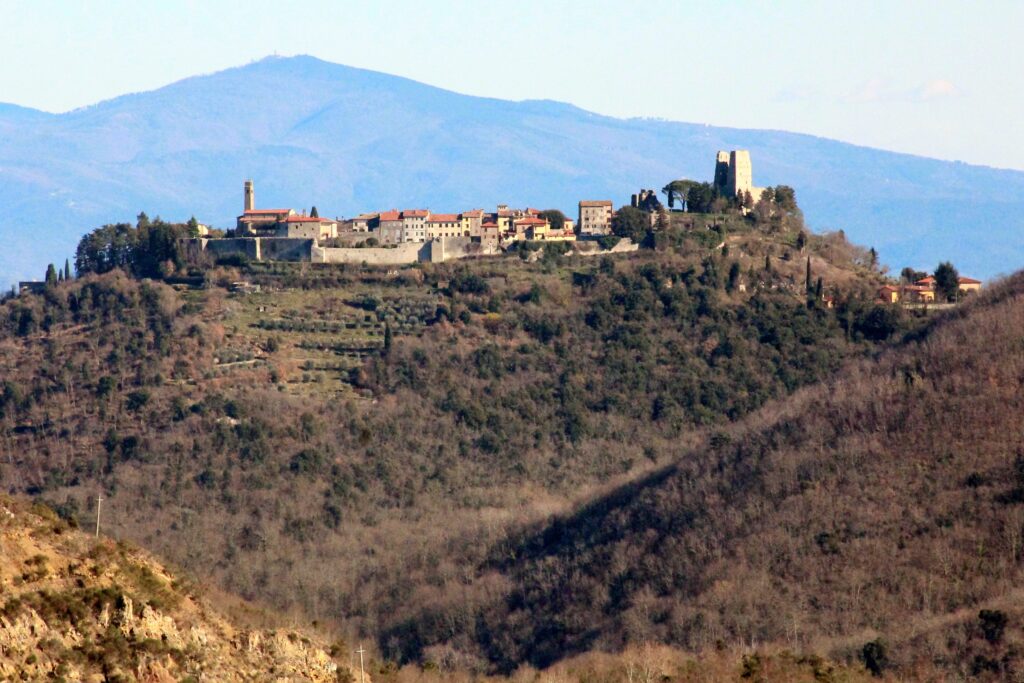
Valdichiana stretches from Arezzo to Chiusi — a valley where Leonardo studied swamps, engineers reversed a river, and the world’s oldest cattle breed still grazes.