
Meet La Casina di Giannetto: Olivastra Oil Named for a Donkey
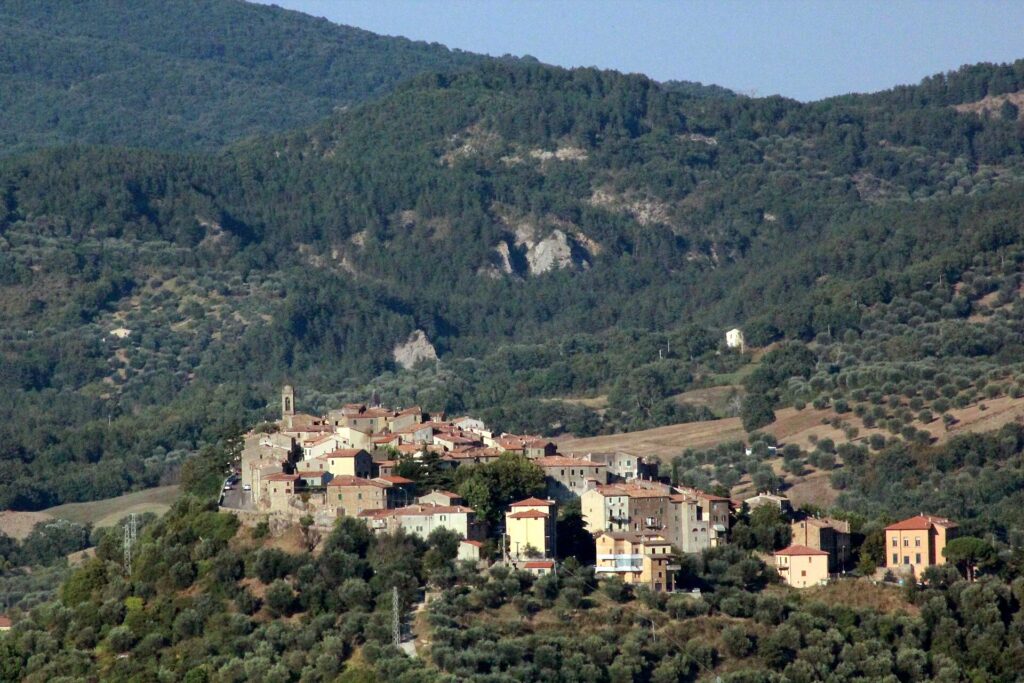
A family olive farm near Seggiano, on the slopes of Monte Amiata, making Seggiano DOP oil from centuries-old Olivastra Seggianese trees.
Meet CrocusBrandi: The San Quirico Farm That Brought Saffron Back
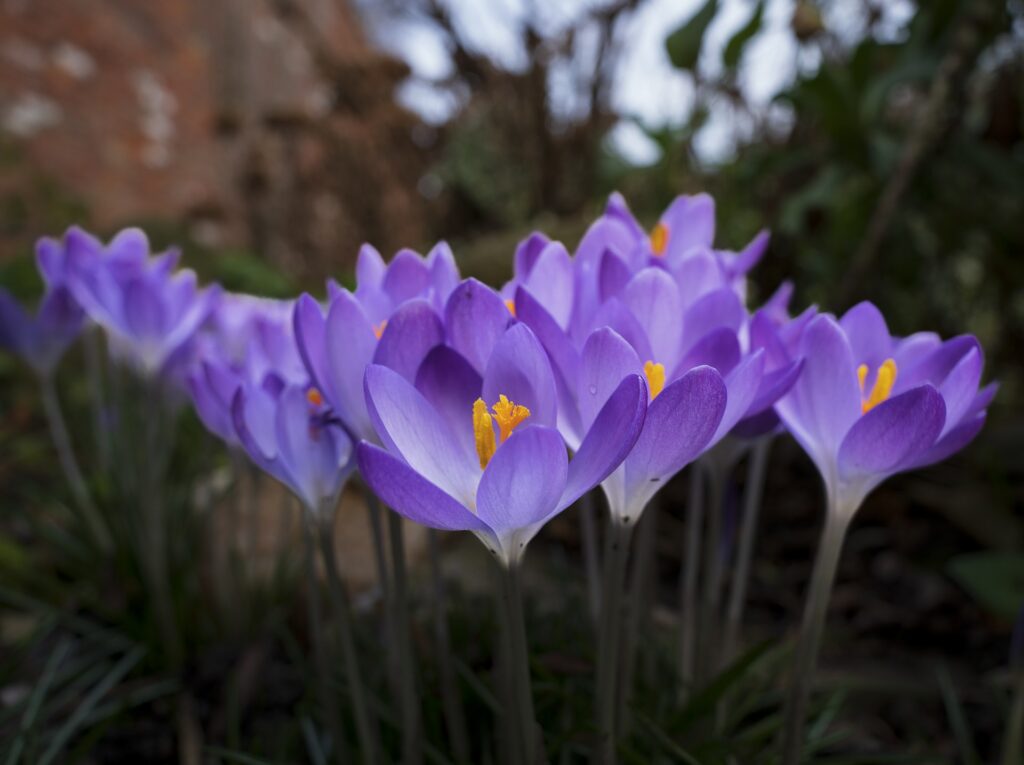
Val d’Orcia saffron vanished for four centuries. Meet CrocusBrandi, the San Quirico farm growing it again, and learn how to buy it right.
Meet the Oleificio Val d’Orcia: The Growers Who Built Their Own Mill
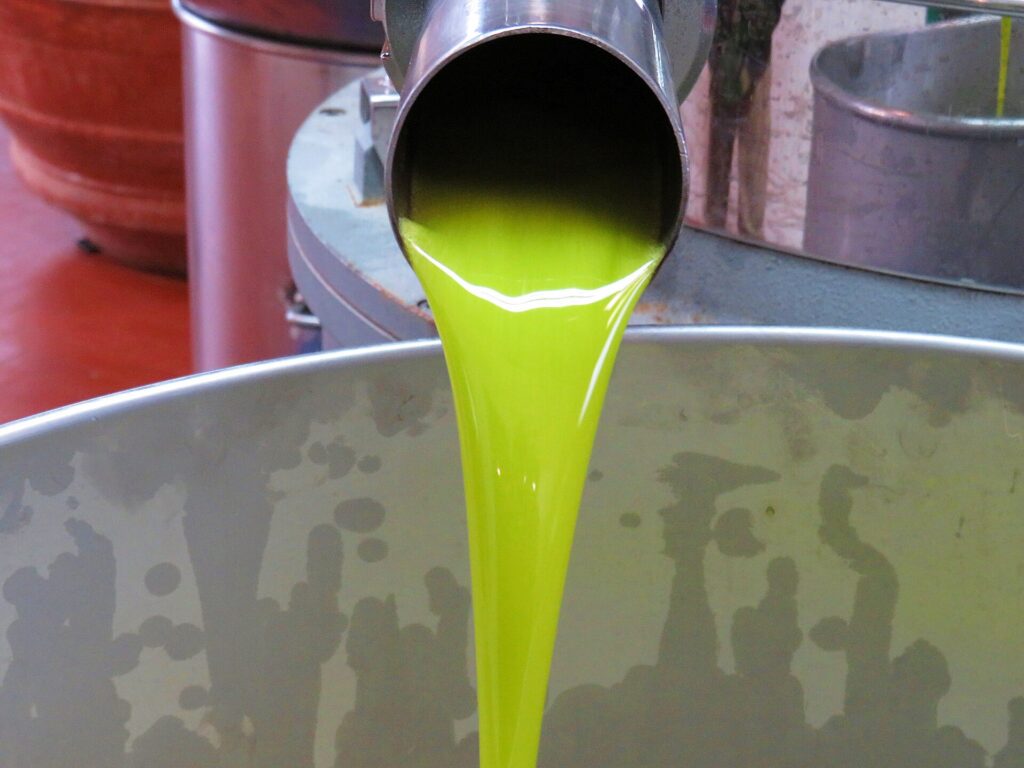
Meet a growers’ cooperative behind Val d’Orcia olive oil: its history, its mill, its DOP, IGP, and organic oils. Plan your visit to Castiglione d’Orcia.
Meet the Farro Growers of the Garfagnana: Italy’s First Protected Grain
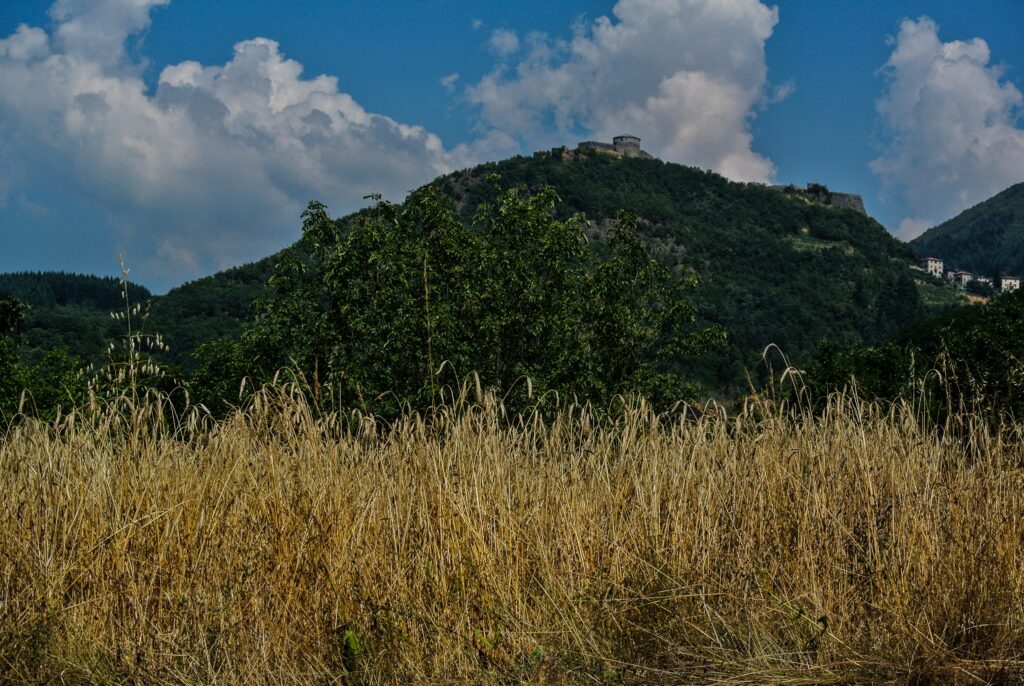
Farro della Garfagnana became Italy’s first protected cereal in 1996. Meet the 50+ mountain growers behind it and learn how to cook it at home.
Meet Birrificio La Petrognola: The Brewery That Brews with Farro
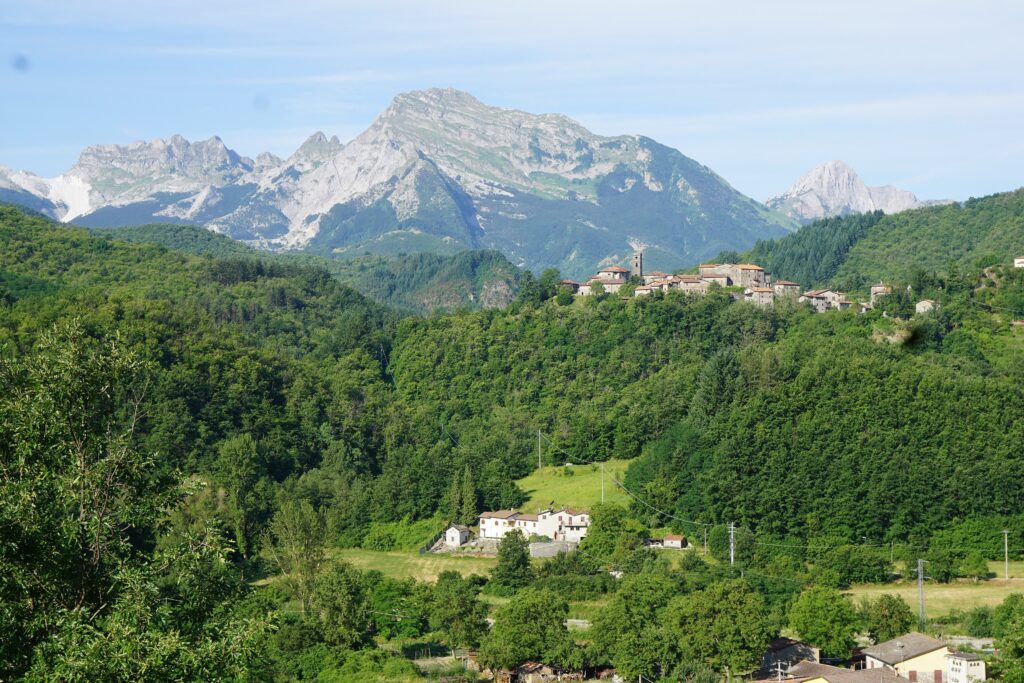
La Petrognola brewery in the Garfagnana makes beer with local farro and chestnuts. Meet founder Roberto Giannarelli and plan a visit.
Meet the Butteri of Alberese: The Maremma’s Working Cattlemen
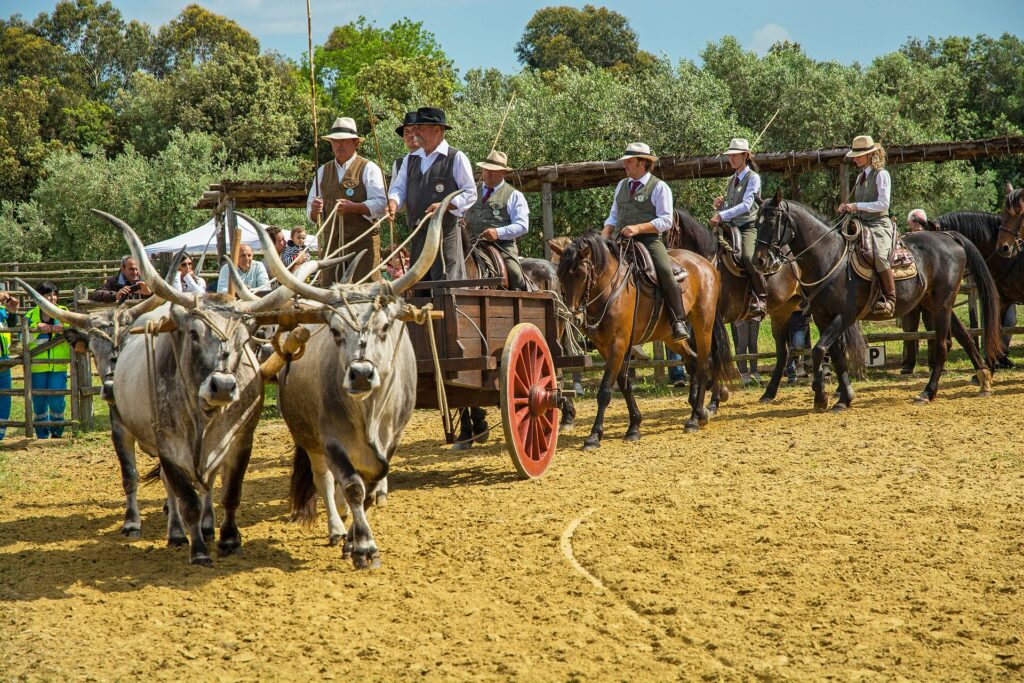
Maremma butteri still herd Maremmana cattle at the Tenuta di Alberese. Meet the real cattlemen, get the Buffalo Bill story right, and plan a working ride.
Meet the Fishermen of Orbetello: Bottarga Makers of a Fragile Lagoon
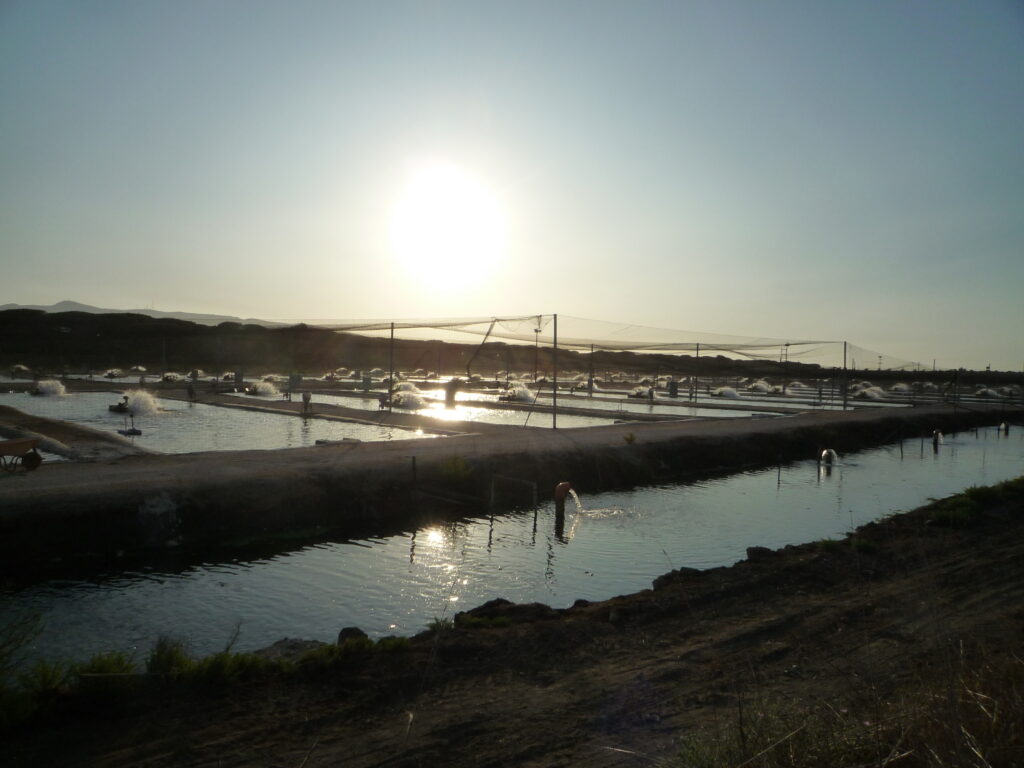
Orbetello bottarga, eel, and Spanish-era lagoon recipes: meet the fishermen’s cooperative founded in 1946, and learn where to taste their catch.
Meet the Moris Family: Three Centuries, 3,600 Cypresses, and Maremma’s First Super Tuscan
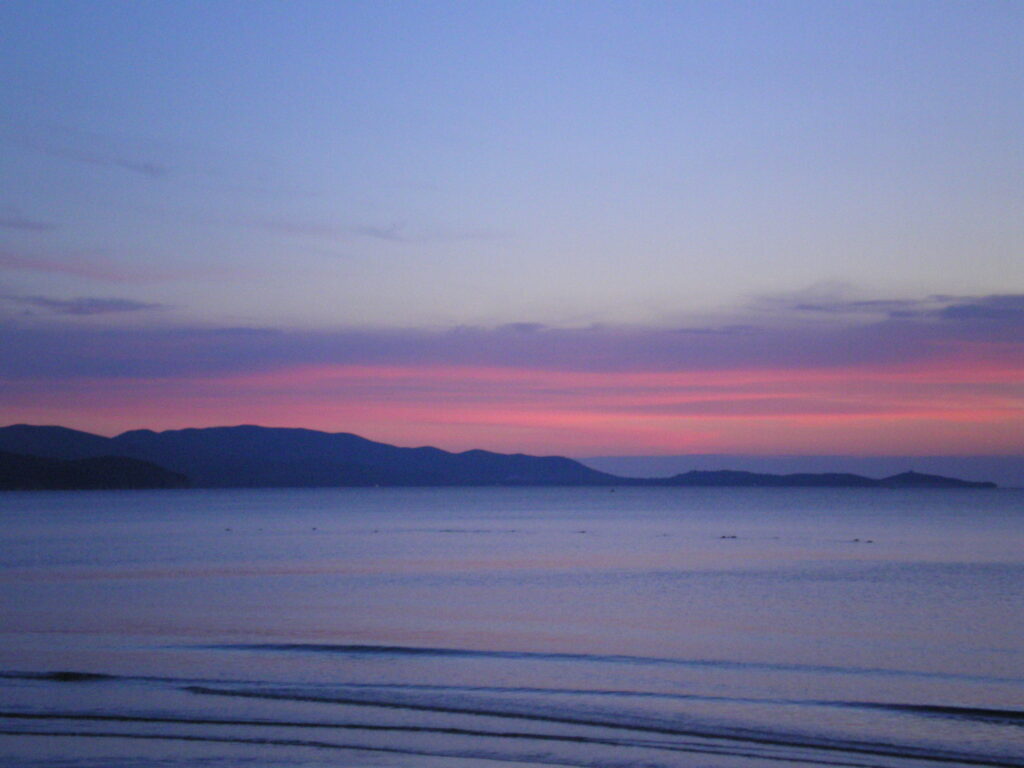
The Moris family has farmed the hills above the Gulf of Follonica since the 1700s. Their Avvoltore was Maremma’s first Super Tuscan. The terrace has views to Elba.
Meet Giulia Lazzerini: The Woman Keeping Lunigiana’s Oldest Pasta Alive
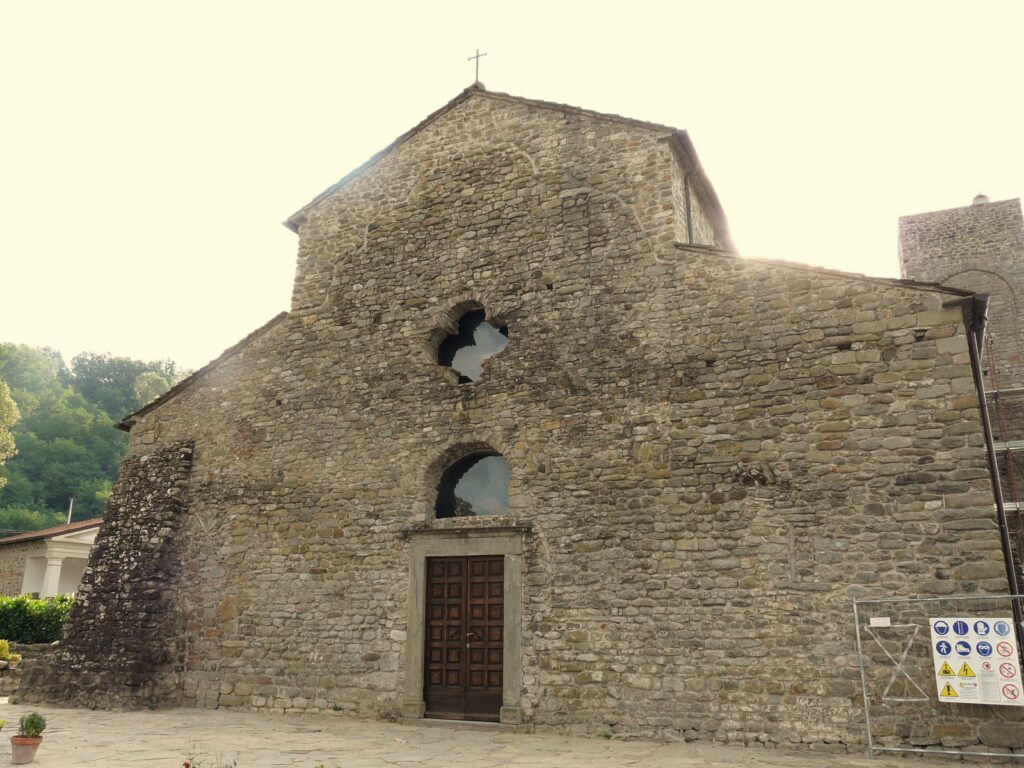
Giulia Lazzerini makes testaroli the way they were made before anyone called them artisanal — on cast-iron testi over wood fire, in a Filattiera farmhouse on the Via Francigena.
Meet Paolo Cerrini: The Goldsmith Who Gave Mugello Its Wine
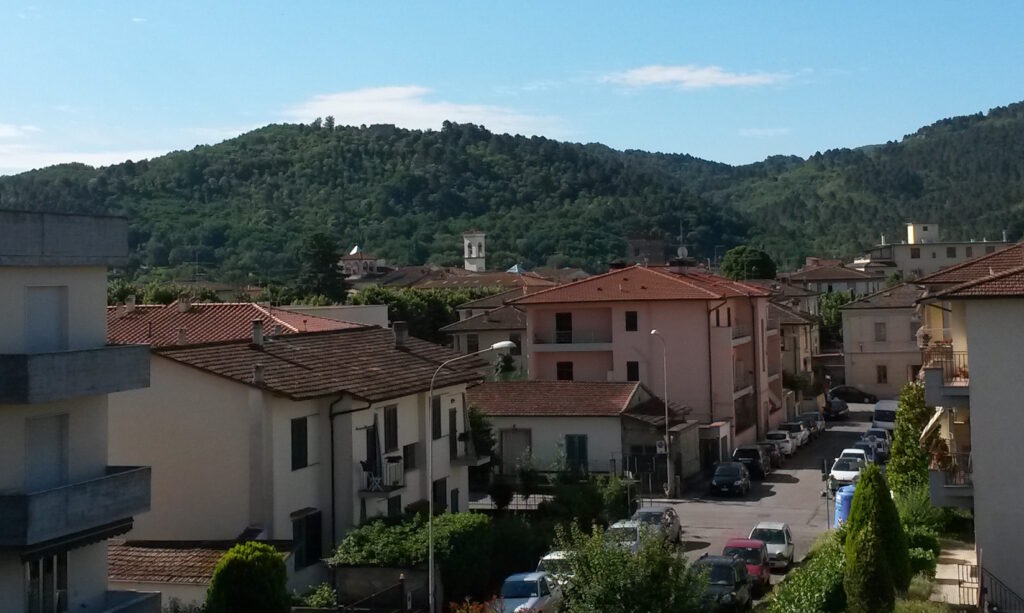
Paolo Cerrini left his Florence goldsmith workshop to plant Pinot Noir in Mugello — a region no one considered wine country. His Il Rio winery helped start a quiet revolution.