
Pontremoli: The Northernmost Town in Tuscany and Its Five-Thousand-Year Secret
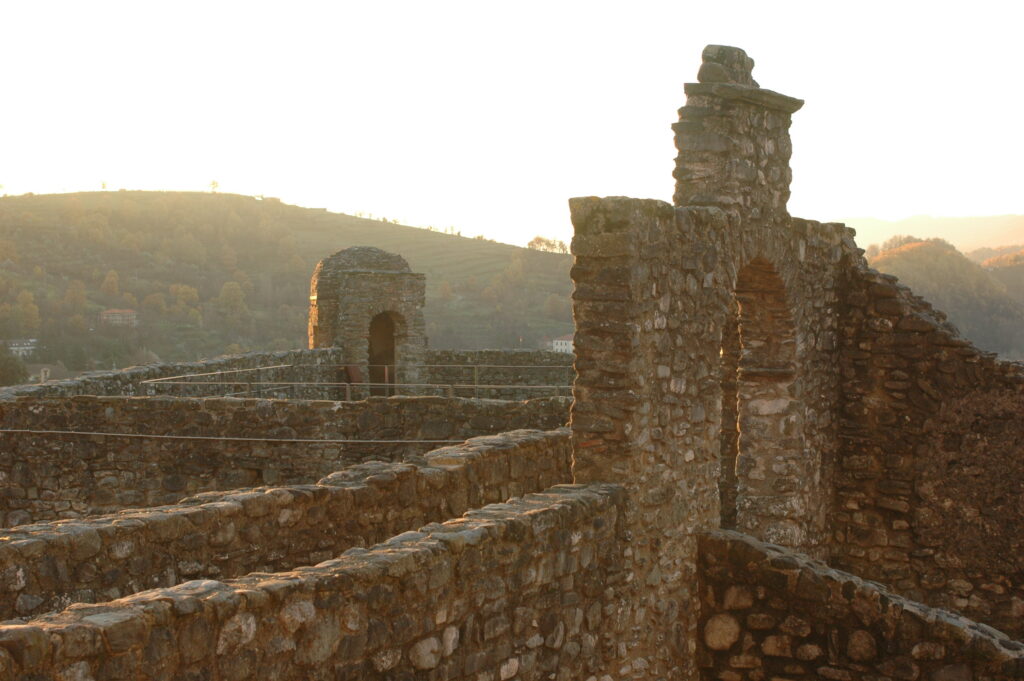
Pontremoli guards the gateway between Tuscany and Emilia-Romagna with a castle full of mysterious prehistoric statues, Baroque palaces, and Italy’s only literary prize awarded by booksellers.
Villafranca in Lunigiana: Where the Watermills Remember and the Walls Still Close at Night
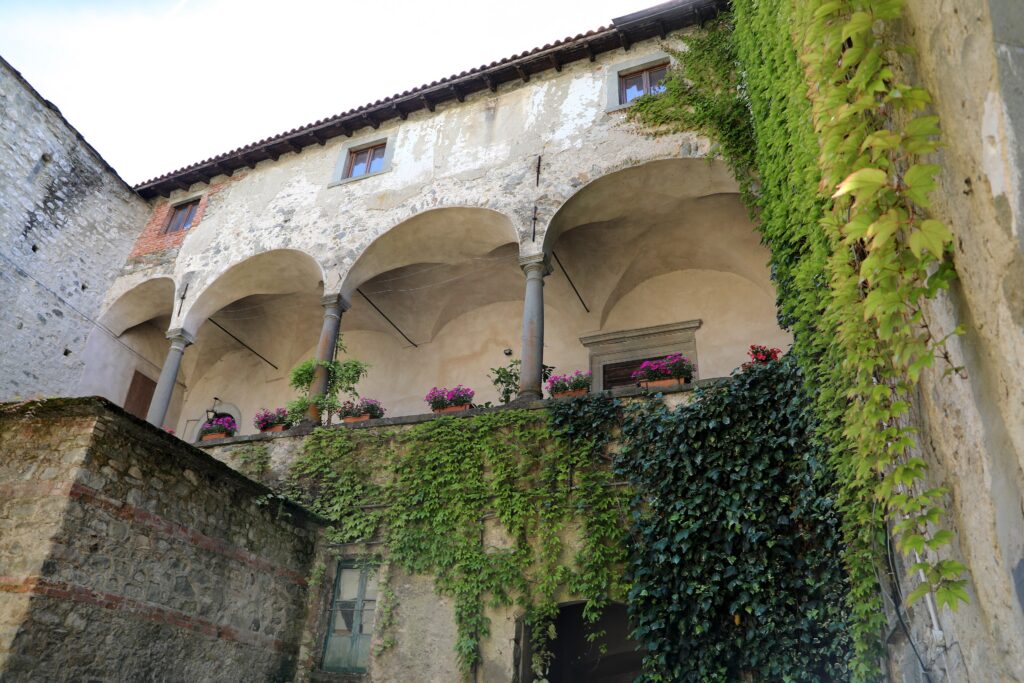
Villafranca’s watermills house Lunigiana’s story of peasant life. A short drive away, the walled village of Filetto hosts one of Tuscany’s finest medieval reenactments — and yielded Bronze Age stele statues from its chestnut grove.
Borgo San Lorenzo: The Town Where Mugello Does Its Shopping
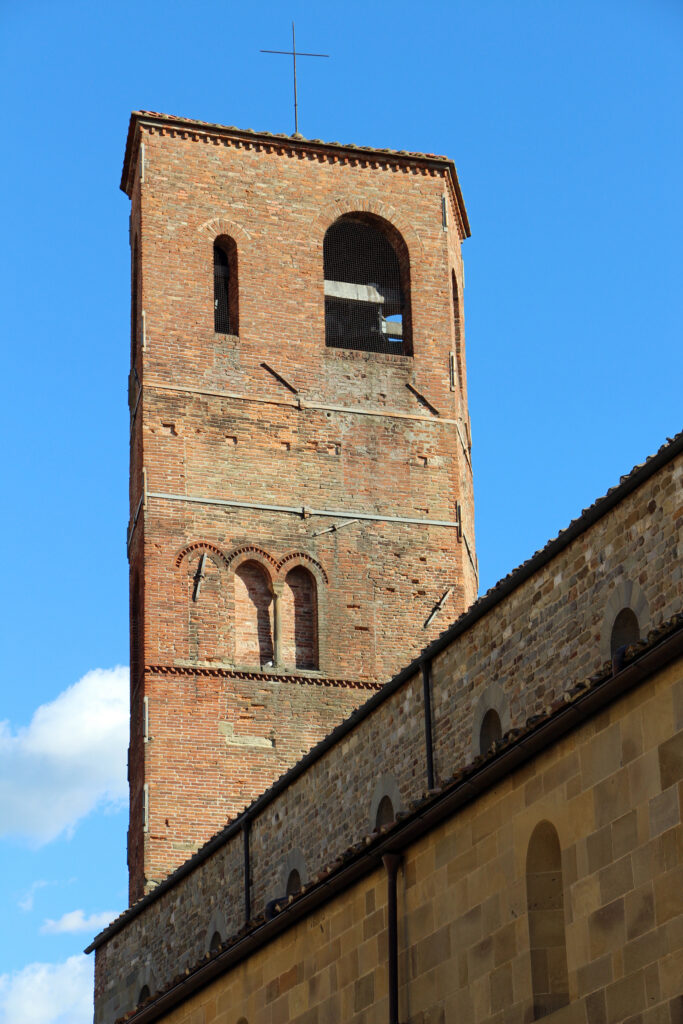
Borgo San Lorenzo is Mugello’s market town — home to Tuscany’s largest Romanesque church, an Art Nouveau ceramics dynasty, and a dog who waited 14 years. A complete guide.
Firenzuola: The Town That Had to Start Again
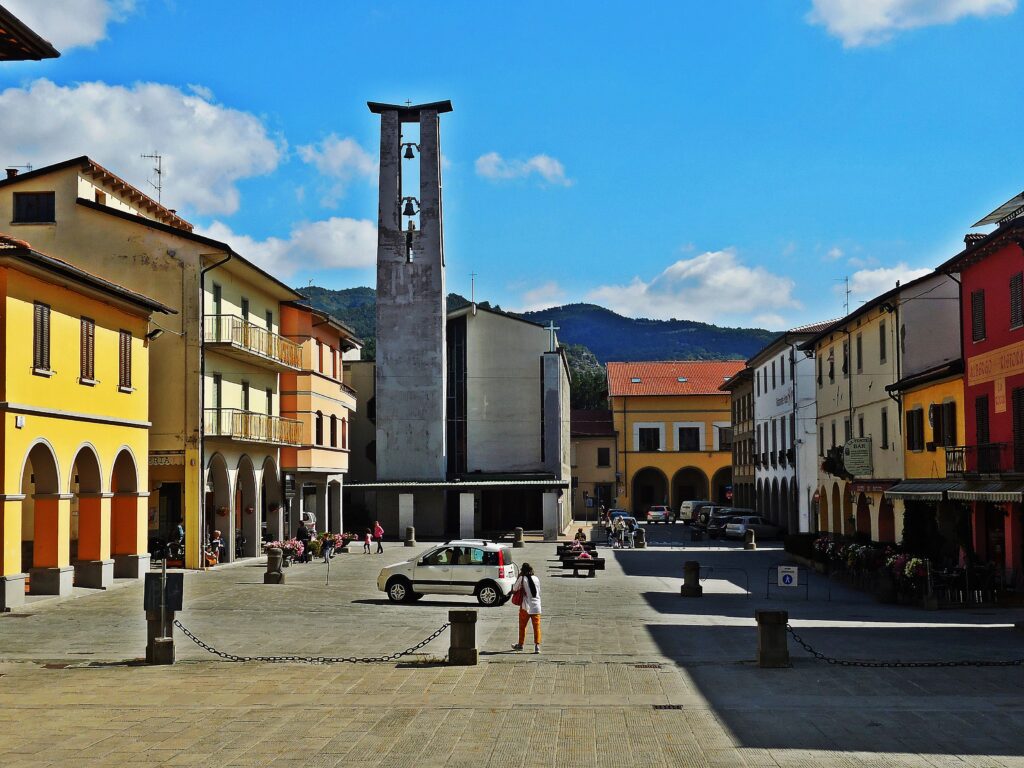
Firenzuola was completely destroyed by Allied bombing in 1944 and rebuilt from scratch. Today it guards Tuscany’s finest grey sandstone and the largest German war cemetery in Italy.
Marradi: Where the Chestnuts Fall and the Map Gets Confused
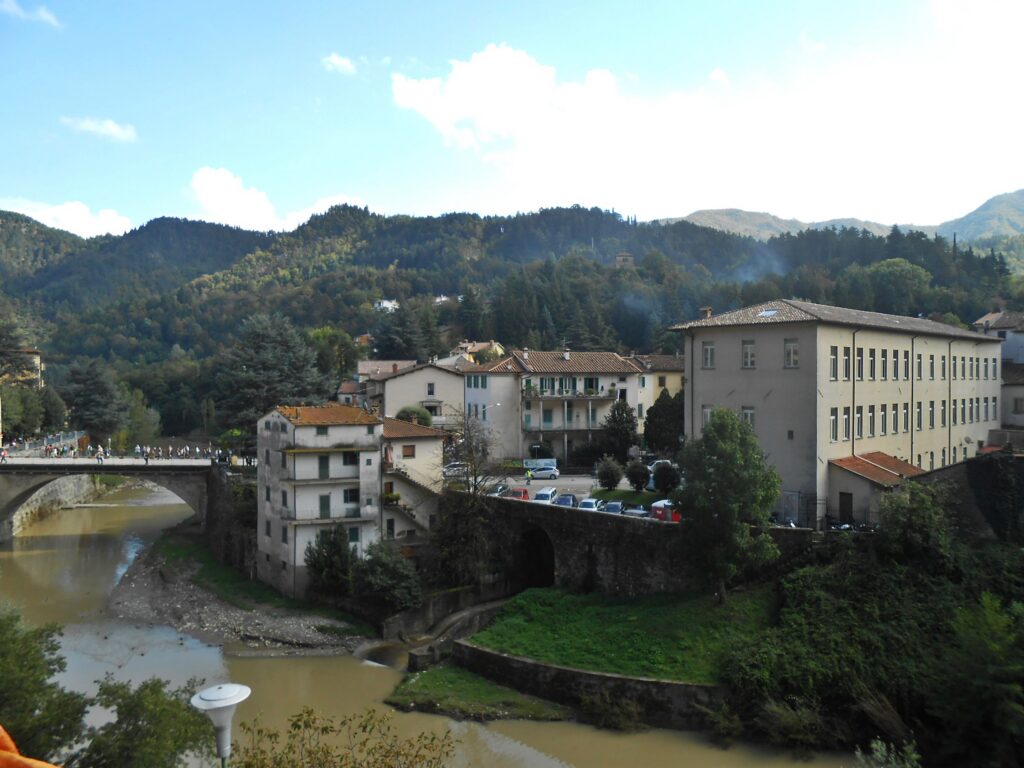
Marradi is where Tuscany meets Romagna — a chestnut town that produced Italy’s wildest poet, hosts an October sagra reachable by vintage steam train, and moves at Slow City pace.
Palazzuolo sul Senio: Population 1,000, and That’s the Point
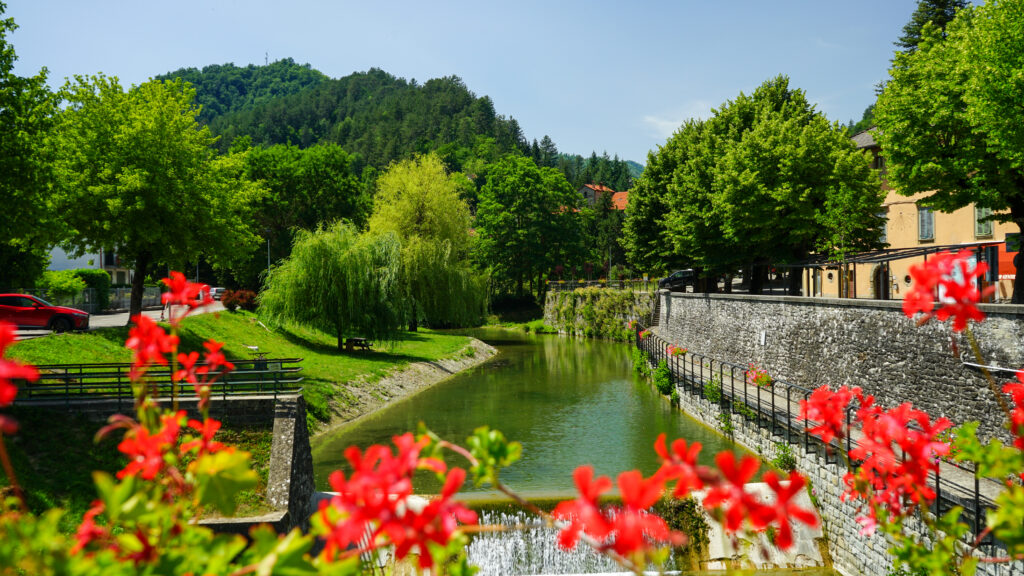
Palazzuolo sul Senio has 1,000 inhabitants, membership in Italy’s most beautiful villages, a medieval reenactment honoring feudal lords, and a quiet that modern life has forgotten.
Scarperia: The Town that Florence Built to Break a Dynasty
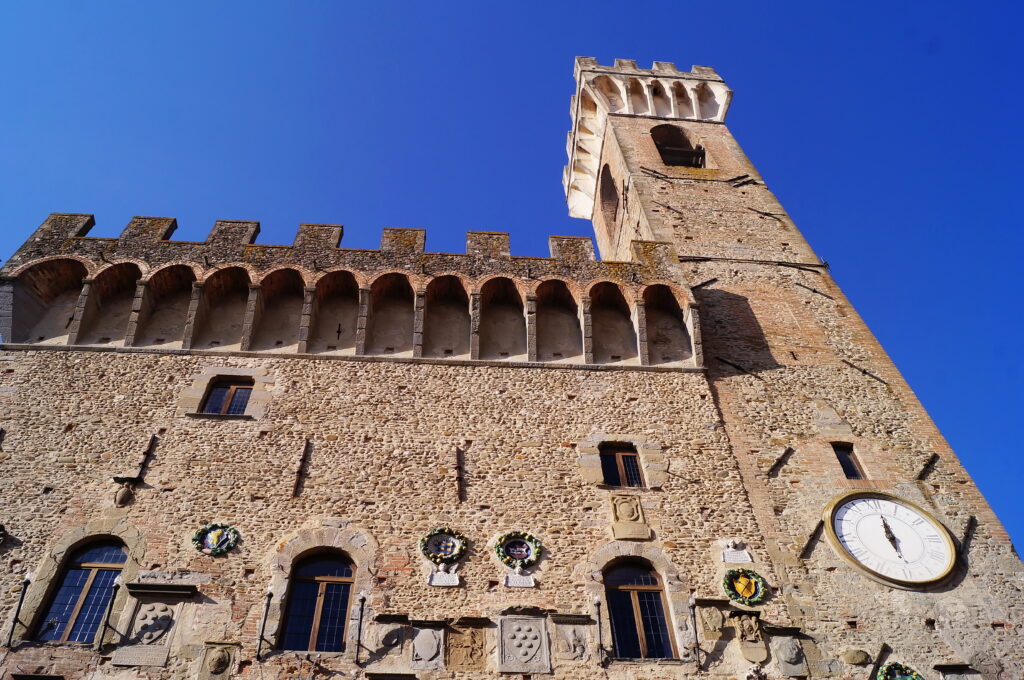
Scarperia is where Florence built a fortress, knife-makers perfected their craft for 500 years, and Brunelleschi’s only surviving clock still ticks. A complete visitor’s guide.
Vicchio: The Small Town That Made Two of the Greatest Painters in History
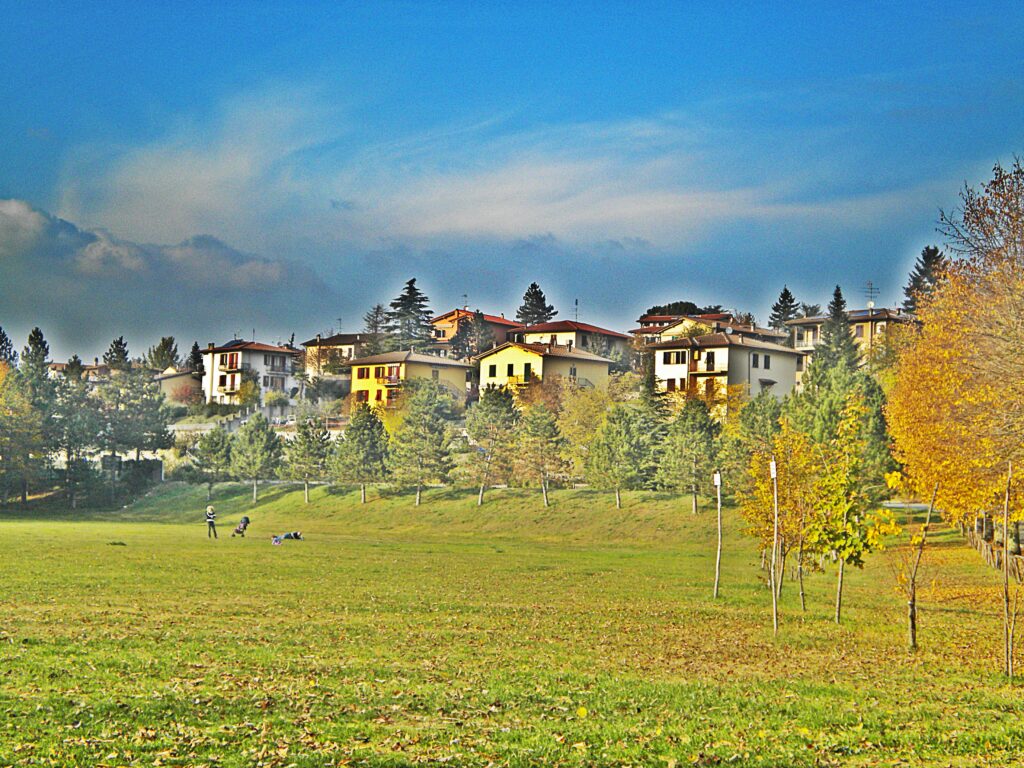
Vicchio gave the world Giotto and Fra Angelico — two painters who changed Western art. It also hid a radical priest, a rebel school, and Tuscany’s newest wine region.
Castiglion Fiorentino: The Loggia That Isn’t Vasari’s
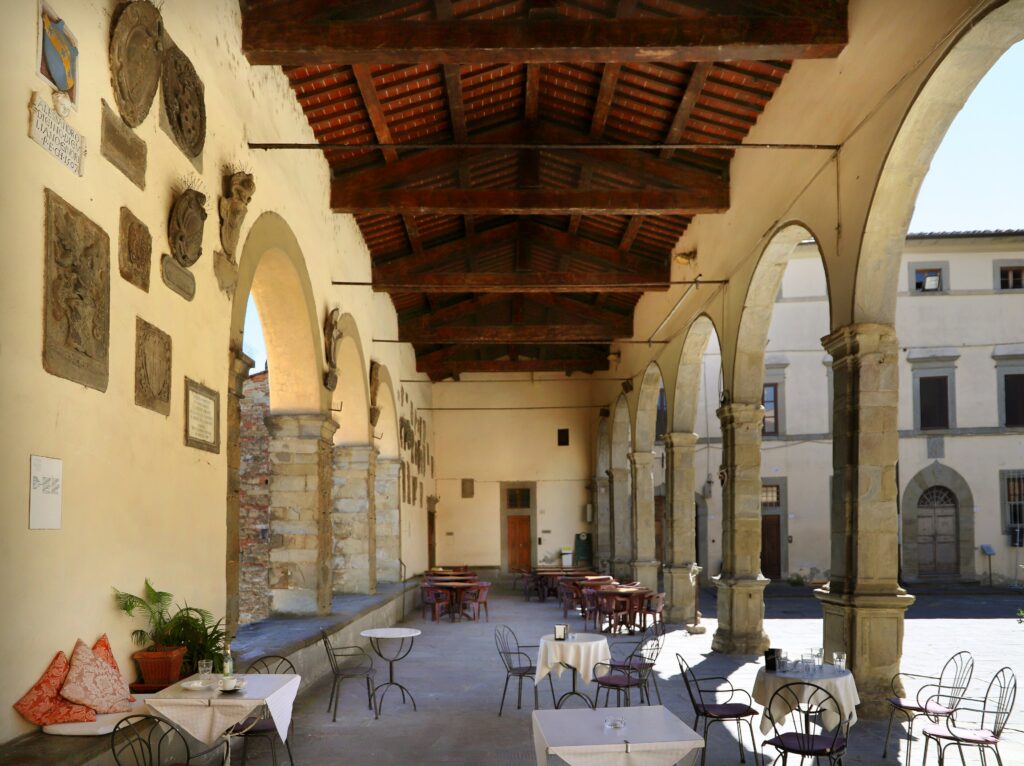
Castiglion Fiorentino has a valley-framing loggia, Etruscan ruins, Benigni’s birthplace, and a June horse palio — all without Cortona’s crowds.
Cetona: From Neanderthals to Valentino
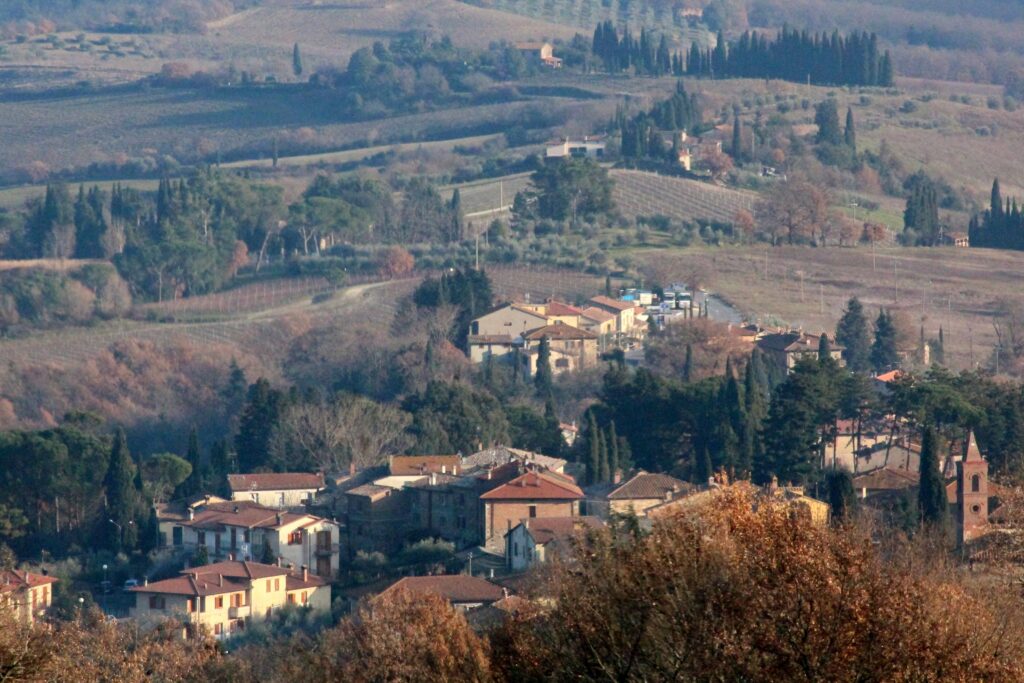
Cetona sits beneath Monte Cetona, where Neanderthals lived 50,000 years ago. The medieval borgo above is one of Tuscany’s most perfectly preserved.