
Aulla: The Town That Was Erased and Built Again
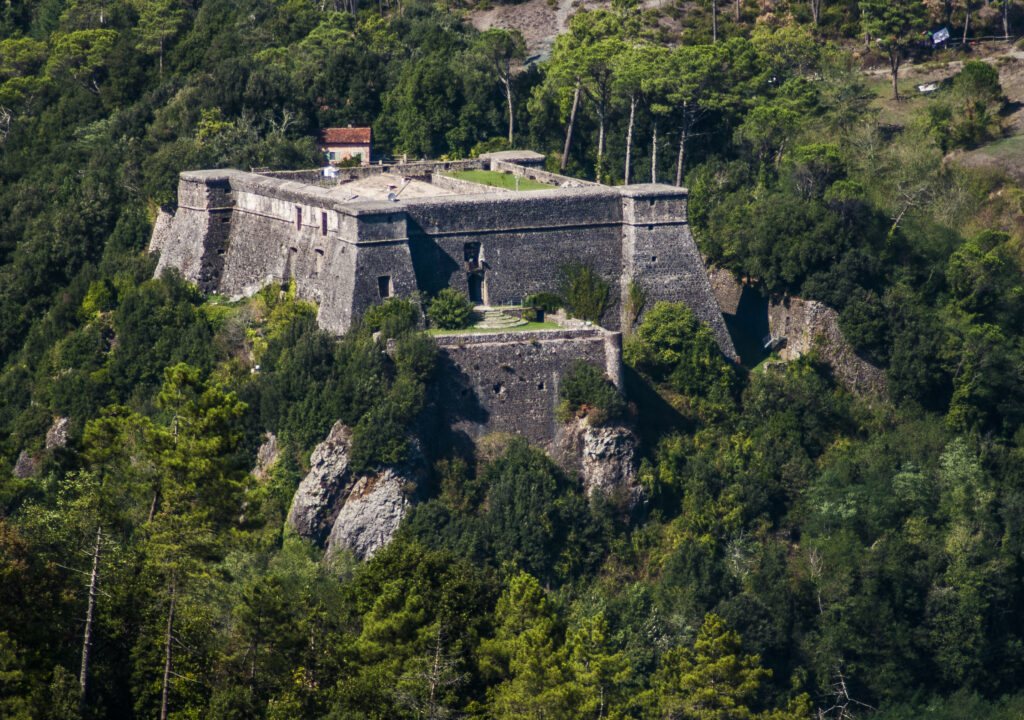
Aulla was almost completely destroyed in WWII and rebuilt from scratch. What survived — a 9th-century abbey and a Renaissance fortress — tells the story of everything that didn’t.
Bagnone: The Borgo That Sounds Like Water
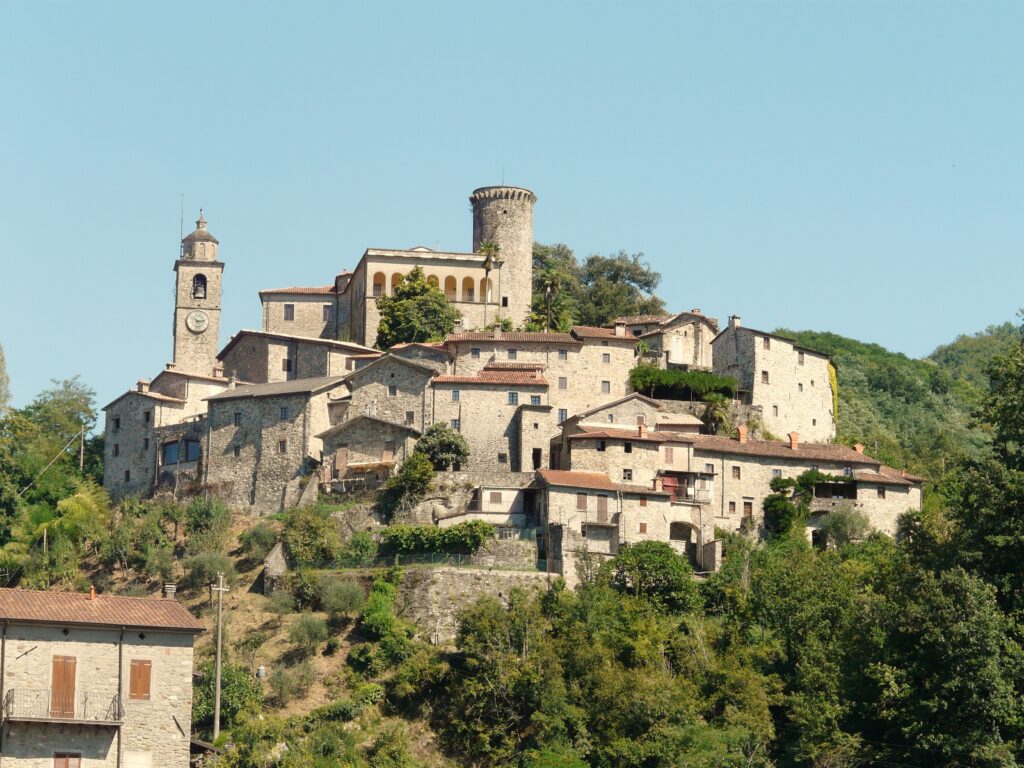
Bagnone cascades down a hillside above a rushing torrent, crowned by a Malaspina castle and crossed by a medieval bridge. It earned its Orange Flag for a reason.
Equi Terme: Caves, Hot Springs, and a Canyon Between Two Mountain Ranges
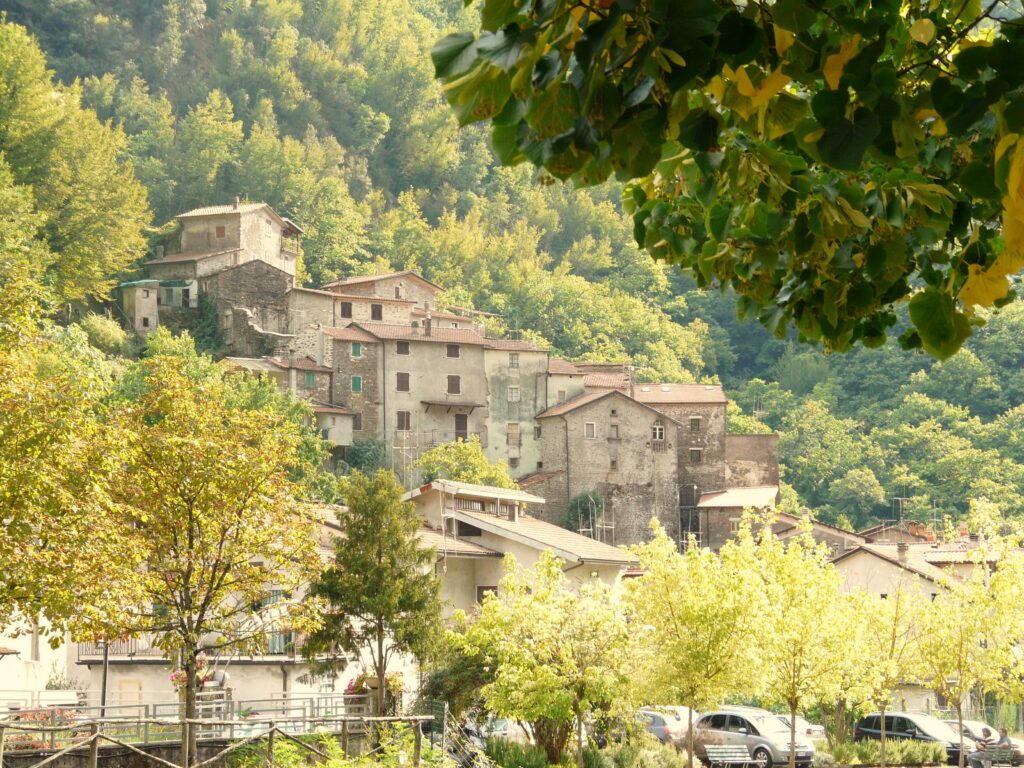
Equi Terme packs Neanderthal-era caves, 27°C thermal springs, a zipline, and the 50-meter canyon walls of the Stretti di Giaredo into one tiny Lunigiana hamlet.
Filattiera: The Byzantine Garrison on the Pilgrim Road
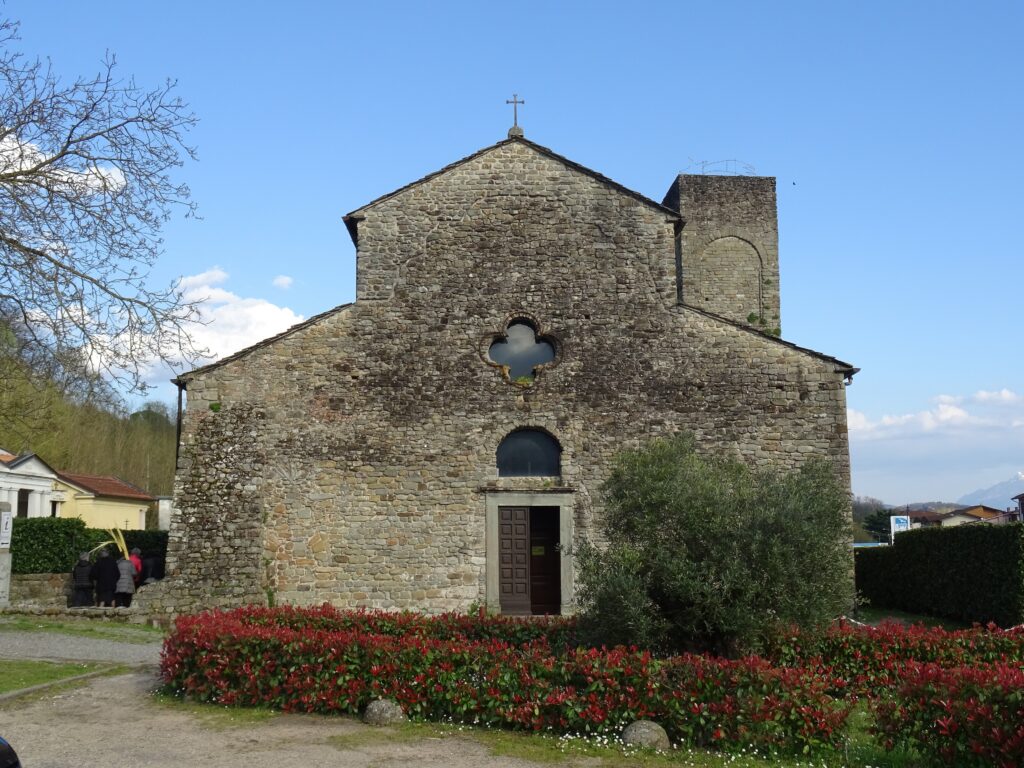
Filattiera began as a Byzantine fortress called Kastron Soreon in 610 AD. Its Romanesque church of river pebbles is one of the most elegant stops on the Via Francigena.
Fivizzano: The Florence of Lunigiana, Printed Before London
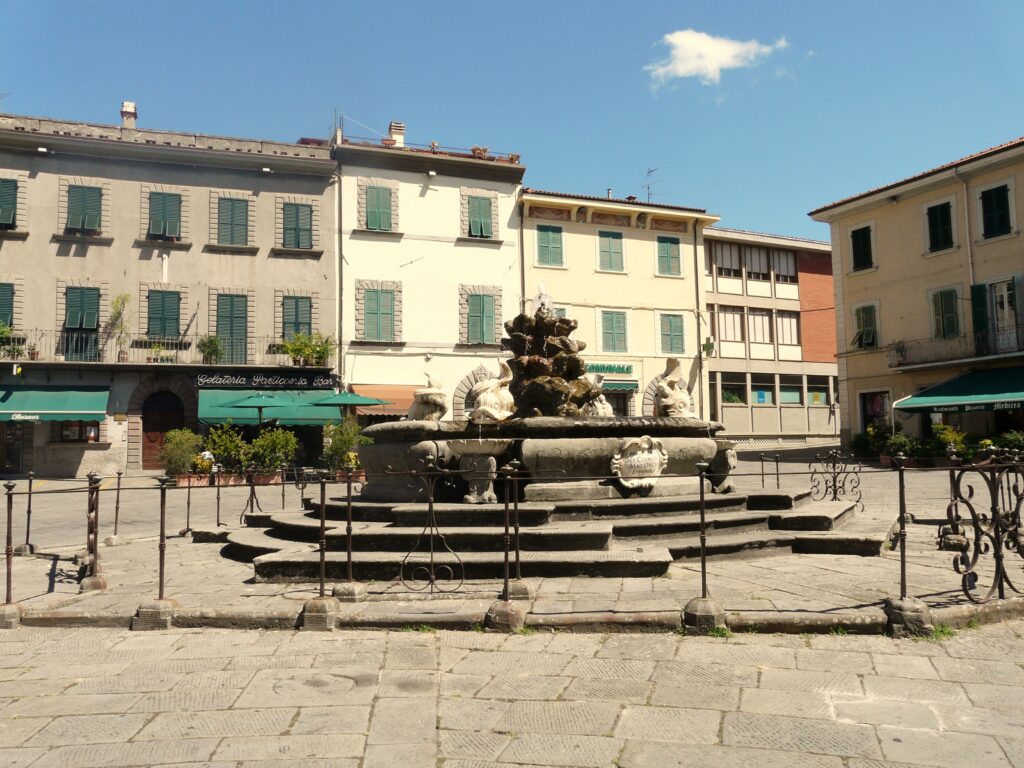
Fivizzano had movable-type printing before London, Medici walls before most Tuscan towns, and an earthquake that nearly erased it all. The elegant heart of upper Lunigiana.
Fosdinovo: The Castle Where You Can Sleep in the Middle Ages
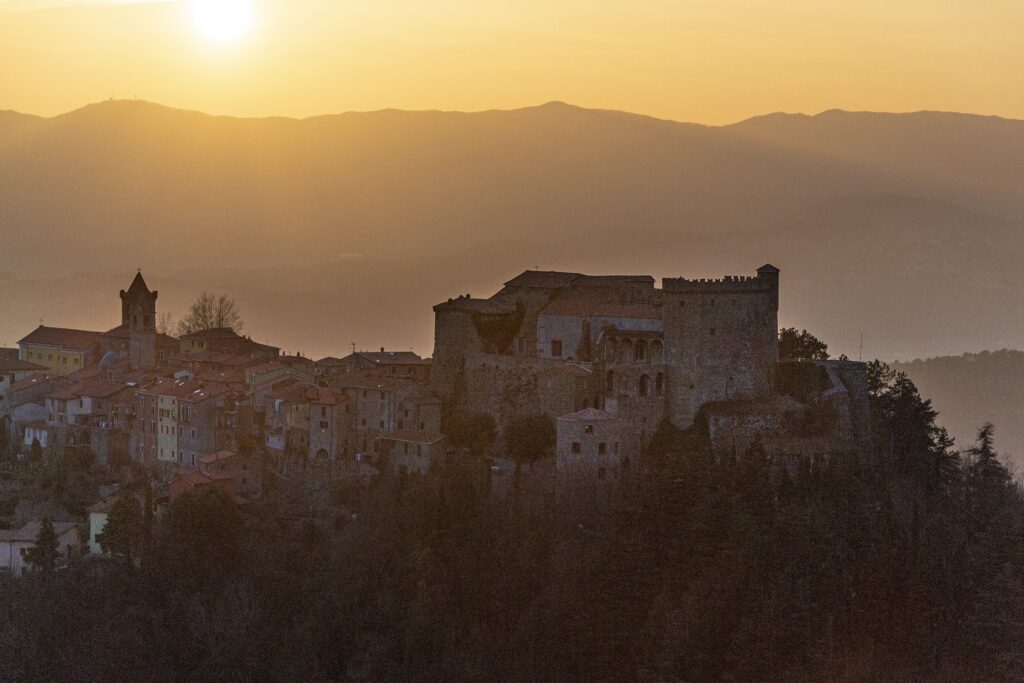
Fosdinovo’s Malaspina castle has been inhabited for nine centuries and now operates as a B&B. Ghost legend included, sea views to Corsica optional.
Mulazzo: Where Dante Stayed and the Booksellers Walked
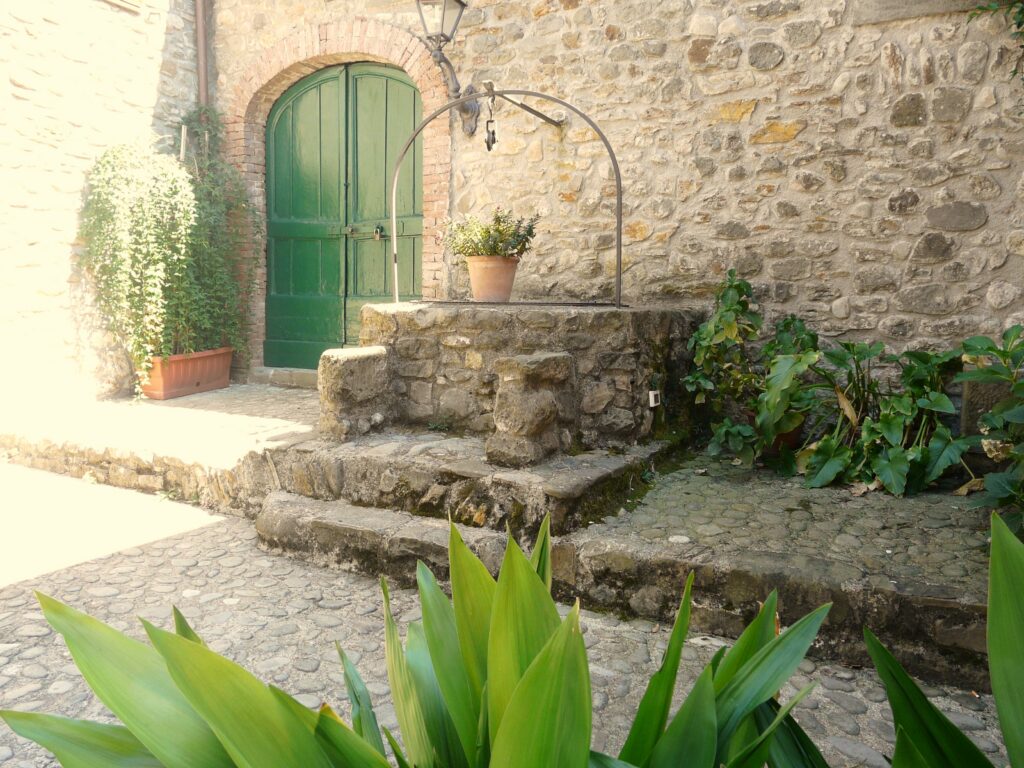
Mulazzo sheltered Dante during his exile and gave Lunigiana its only hexagonal tower. Its hamlet Montereggio sent booksellers across Italy — and became the country’s only Book Town.
Podenzana, Casola, and Zeri: Three Villages Where One Tradition Defines Everything
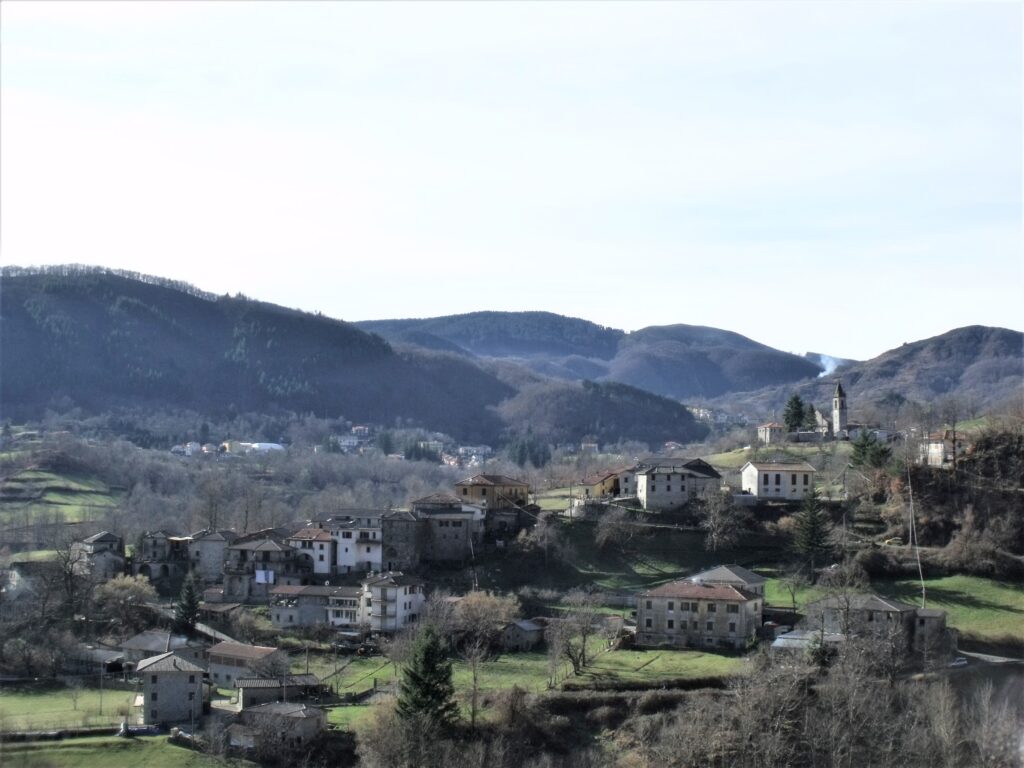
Podenzana lives for panigacci. Casola’s sole baker keeps a Slow Food bread alive. Zeri’s shepherdess tends the last flock of a near-extinct breed. Three Lunigiana villages, three traditions, three reasons to care.
Pontremoli: The Northernmost Town in Tuscany and Its Five-Thousand-Year Secret
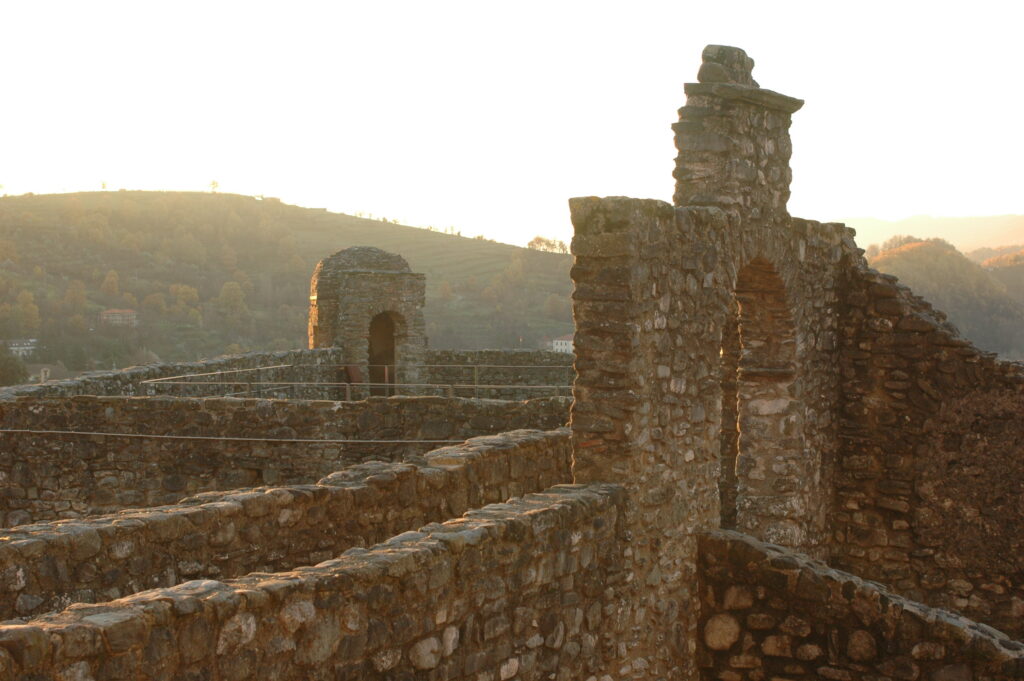
Pontremoli guards the gateway between Tuscany and Emilia-Romagna with a castle full of mysterious prehistoric statues, Baroque palaces, and Italy’s only literary prize awarded by booksellers.
Villafranca in Lunigiana: Where the Watermills Remember and the Walls Still Close at Night
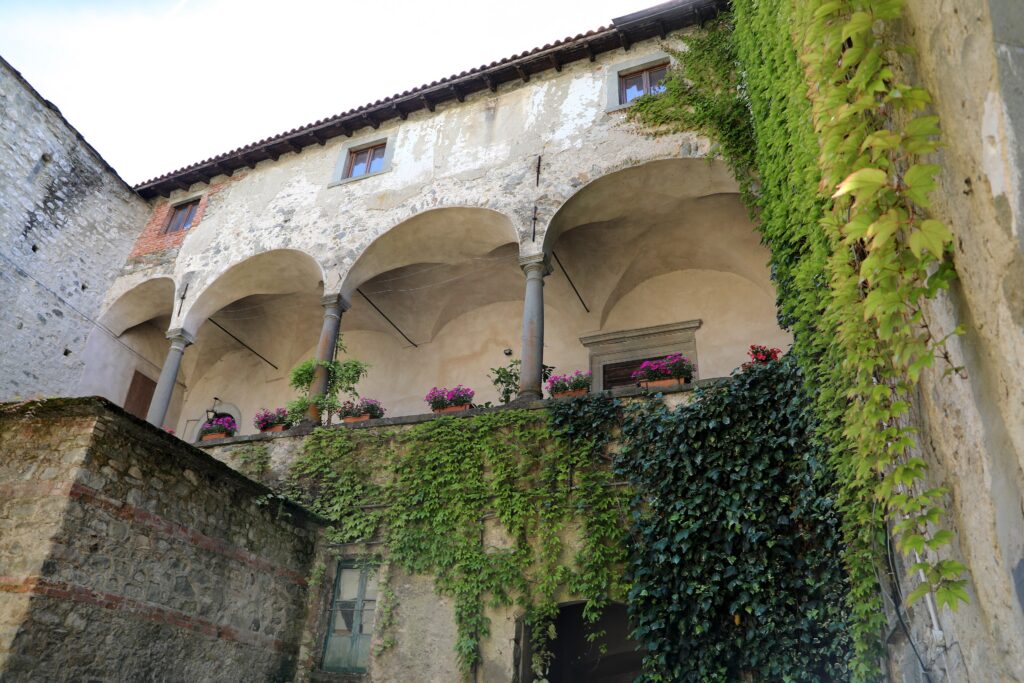
Villafranca’s watermills house Lunigiana’s story of peasant life. A short drive away, the walled village of Filetto hosts one of Tuscany’s finest medieval reenactments — and yielded Bronze Age stele statues from its chestnut grove.